Short news for quality minds. Power your niche.

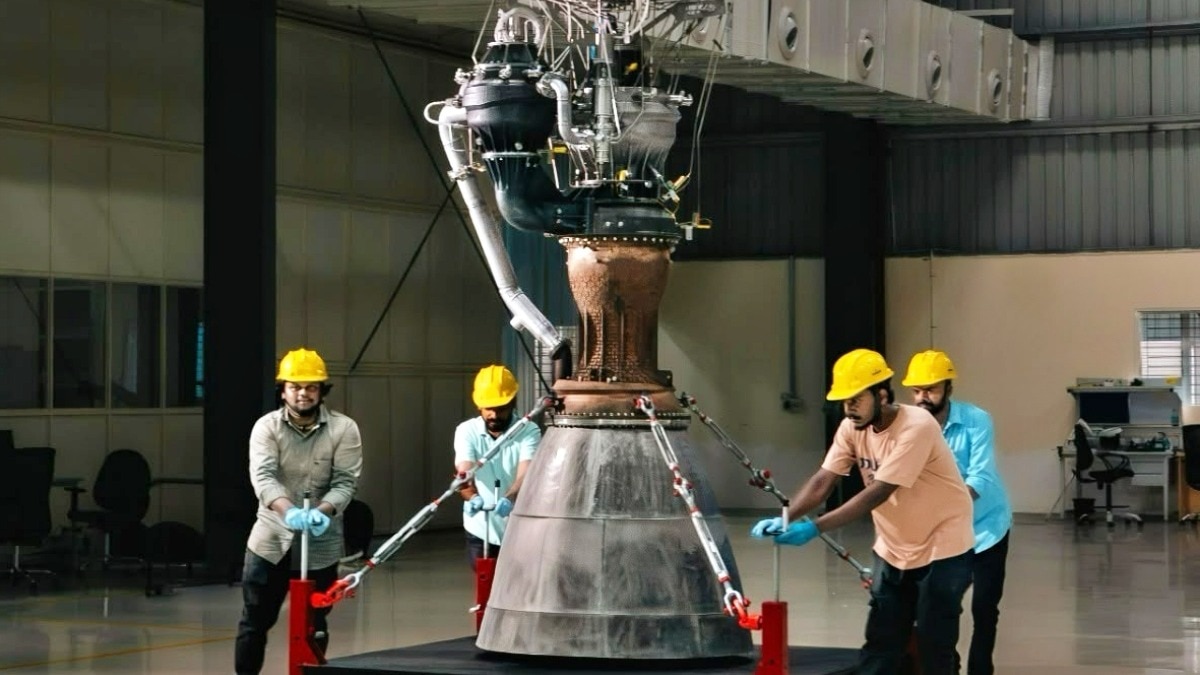
Engineering breakthrough: Scientists 3D-print one of the world's hardest metals

Engineering breakthrough: Scientists 3D-print one of the world's hardest metals

India Today

Scientists at Hiroshima University successfully 3D-printed tungsten carbide-cobalt using a new laser technique. This material reached a hardness of over 1,400 HV without losing its strength. By using hot-wire laser irradiation, the team avoided defects. This breakthrough could help make complex industrial tools cheaper and easier to build for everyone.

Tap to Read More
Did T. rex leave these 66-million-year-old bite marks?

Did T. rex leave these 66-million-year-old bite marks?

ScienceDaily

Researchers examined over 3,000 bones from northeastern Wyoming dating back 66 million years. They found 12 fossils with tooth marks, and four matched T. rex teeth. The team said, "Correctly identifying bone depressions and perforations is important because not all of these features are tooth marks." This helps understand ancient ecosystems.

Tap to Read More
'Ghost particles' signature can track where spent nuclear fuel goes

'Ghost particles' signature can track where spent nuclear fuel goes

The Hindu

Researchers from the Double Chooz Collaboration in France reported the first measurement of neutrino signatures from spent nuclear fuel. Using a detector 400 metres from the Chooz B plant, the team tracked particles to monitor fuel inventory. This breakthrough helps inspectors remotely verify if nuclear fuel gets diverted for weapons.

Tap to Read More
Hold tight! How two hurricanes forced a lizard to change its grip

Hold tight! How two hurricanes forced a lizard to change its grip

The Hindu

Small brown anoles in the Turks and Caicos Islands evolved to cling harder after two hurricanes hit in September 2017. Scientists found that survivors had shorter toes and larger toepads compared to before the storms. These physical changes, linked to specific genes, helped the lizards survive the intense winds.

Tap to Read More
Astronomers may have unknowingly searched far more of Milky Way for alien signals

Astronomers may have unknowingly searched far more of Milky Way for alien signals

Indian Express

Astronomers may have unknowingly searched far more of the Milky Way for alien signals than previously believed. New research showed that radio telescopes observed over 6.1 million stars. Louisa Mason said, "One of the most exciting things about this work is realising that we've surveyed many more stars than initially thought."

Tap to Read More
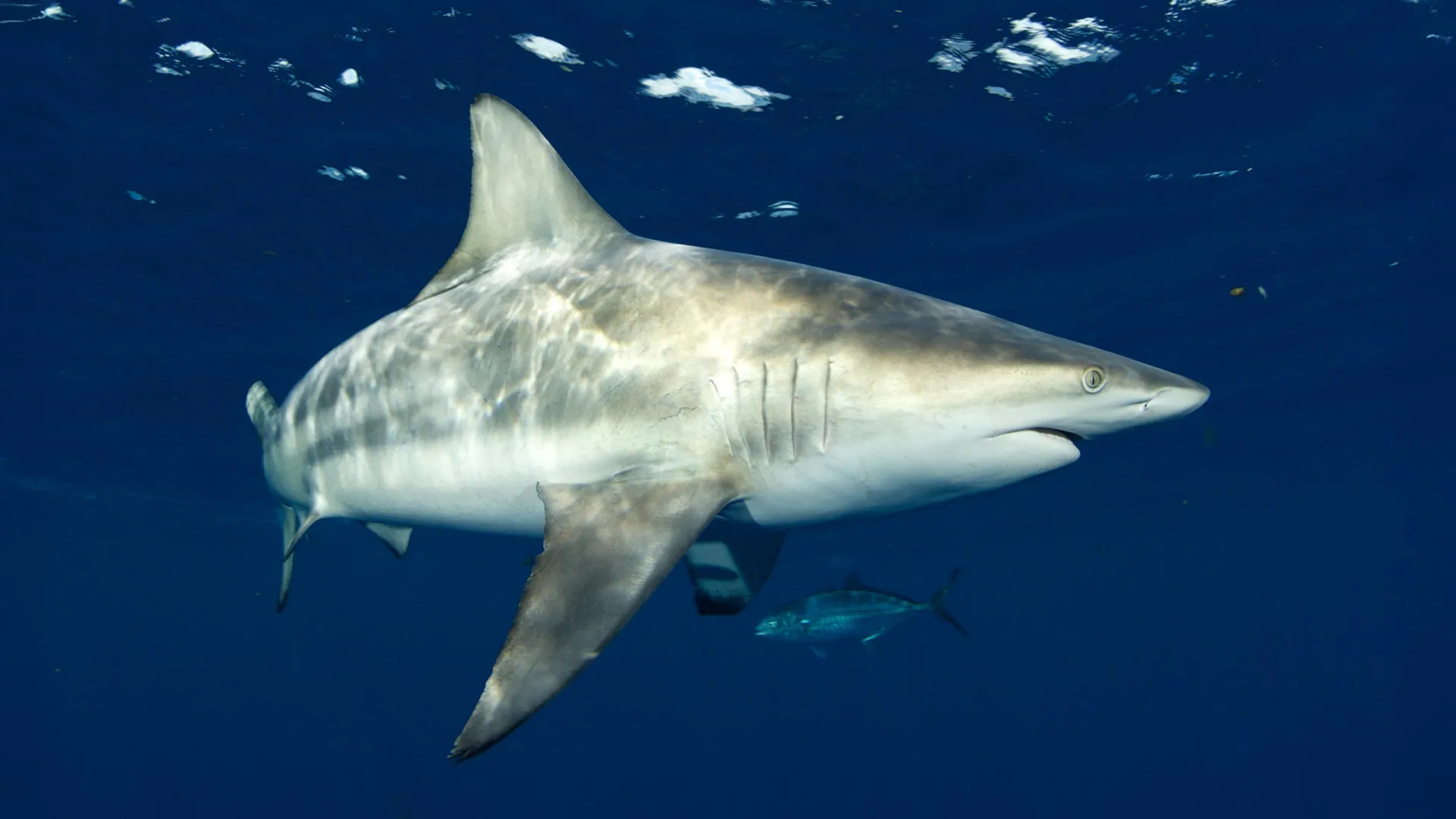
Family ties shape social lives of bull sharks

Family ties shape social lives of bull sharks

Physics org

Bull sharks prefer spending time with their relatives, new research shows. Scientists used six years of observations at Shark Reef Marine Reserve in Fiji to study these social habits. Lead author Natasha D. Marosi said, "To discover that some of these large, apex predators choose to socialize with their relatives is truly exciting."

Tap to Read More
New biosynthetic pathway could expand production of high-value bio-based oils

New biosynthetic pathway could expand production of high-value bio-based oils

Physics org

Researchers at the Center for Advanced Bioenergy and Bioproducts Innovation found a new biosynthetic pathway in Orychophragmus limprichtianus seeds. They used two enzymes to produce high-value oils. This discovery helps scientists create better bio-based lubricants. The team successfully reconstructed this pathway in an oilseed host to support the growing bioeconomy.

Tap to Read More
Metal-free process makes plant dyes more durable for textiles

Metal-free process makes plant dyes more durable for textiles

Physics org

Research in the International Journal of Materials and Product Technology describes a metal-free dye-fixing process for plant dyes. This method uses chitosan and ellagic acid to bind colors to fabrics without harmful metal salts. Tests showed that 70% of the dye remained on the fabric even after 25 washes, helping sustainability.

Tap to Read More
Scientists catch a “jumping gene” mid-leap between species

Scientists catch a “jumping gene” mid-leap between species

ScienceDaily

Scientists at the Max Planck Institute for Marine Microbiology caught a jumping gene moving between species. They used special probes to see intron RNA inside a predatory bacterium and its prey. The gene survived because it forms a circular shape, which protects it from being broken down by cell enzymes.

Tap to Read More
Your work playlist may be changing your brain, here's how

Your work playlist may be changing your brain, here's how

India Today

Many professionals use music to boost productivity while working. A 2011 study in Nature Neuroscience showed that pleasurable music triggers dopamine, making repetitive tasks feel easier. While familiar songs help with routine work, lyrics can distract during complex tasks. Many people said instrumental music helps them focus on demanding work.

Tap to Read More
Scientists discover 14 new gut bacteria species in Indian tribal communities

Scientists discover 14 new gut bacteria species in Indian tribal communities

Indian Express

Scientists discovered 14 new gut bacteria species in eight Indian tribal communities. Dr Dhiraj Dhotre said, “An Indian gut microbiome should not be labelled abnormal simply because it differs from Western reference populations.” The study showed that local diets and geography shape these unique microbial signatures across different Indian regions.

Tap to Read More
Cusat wins four patents for breakthroughs in AI, biomedical research and green innovation

Cusat wins four patents for breakthroughs in AI, biomedical research and green innovation

Indian Express

Cochin University of Science and Technology got four patents in the past week for breakthroughs in AI, biomedical research, and green innovation. Researchers developed an AI tool for career choices and a sustainable way to extract cellulose from banana stems. These inventions show how the university uses science for society.

Tap to Read More