Short news for quality minds. Power your niche.Smartly curated short news for quality minds. Want your own niche feed? Integrate with us today.

TheReader.AI
Home
News
Integrate
Pricing
About Us
Profile
My FeedNationPoliticsBusinessMarketWorldSportsTechnologyEnvironmentScienceEntertainment
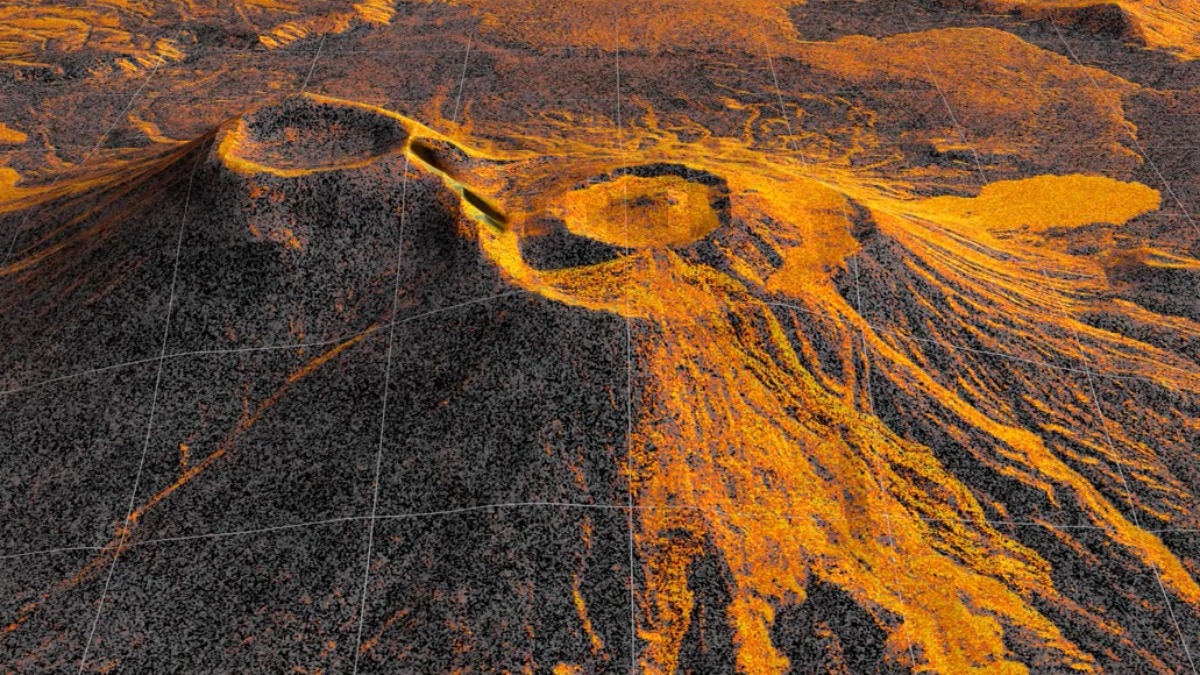
India's Nisar captures rare volcano that erupted for the first time in 500 years

India's Nisar captures rare volcano that erupted for the first time in 500 years

India Today

The India-US Nisar satellite captured a rare eruption of Russia’s Krasheninnikov volcano, which started after a July 30, 2025 earthquake. The volcano erupted for the first time in 500 years. Matthew Pritchard said, "The consistency is crucial. This shows the promise of Nisar to closely monitor natural hazards." It tracks lava flow.

Tap to Read More25 Sept 5:44 AM
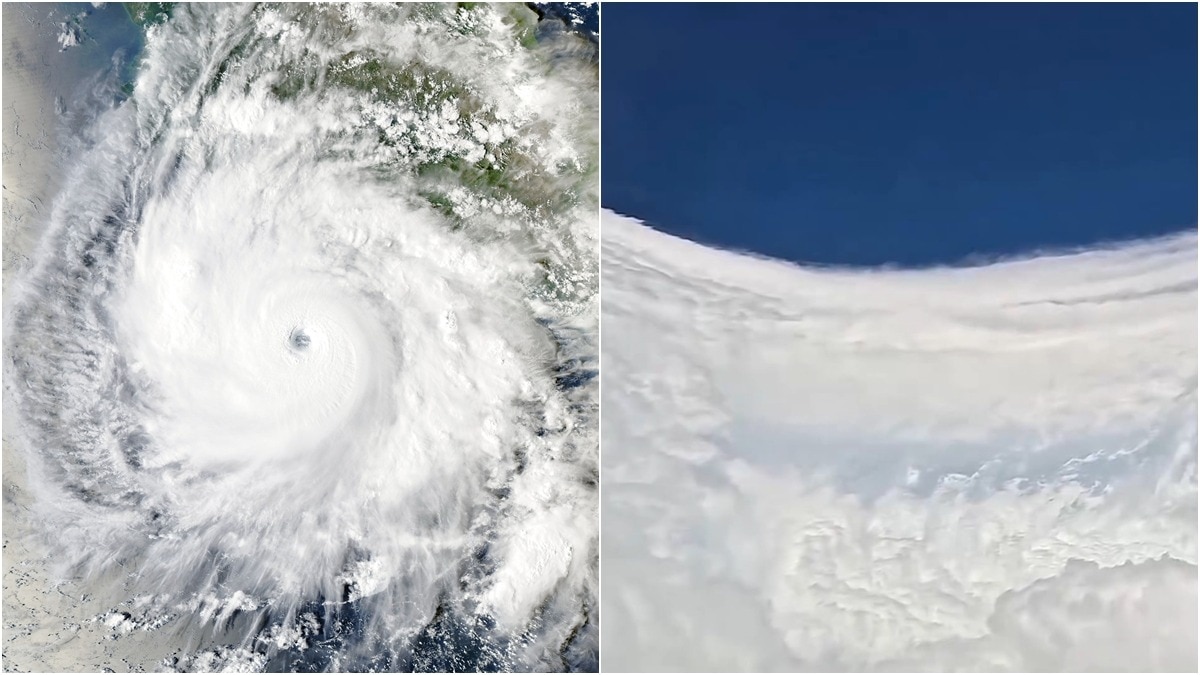
Noaa flies a plane inside Category 5 Hurricane Polo what it looks like

Noaa flies a plane inside Category 5 Hurricane Polo what it looks like

India Today

Noaa flew a plane inside Category 5 Hurricane Polo on September 22. The aircraft passed through dense clouds into the eye to measure wind speed and air pressure. Nasa astronaut Jessica Meir also captured a view of the storm from space, noting that the hurricane appeared massive from the station.

Tap to Read More25 Sept 7:07 AM
Thanks to a surprising brain trick, dogs really do 'understand' human speech, study finds

Thanks to a surprising brain trick, dogs really do 'understand' human speech, study finds

WION

A new study found that dogs process human speech using a pattern previously considered uniquely human. Scientists discovered dogs use consonants to break sounds into words. "This is the first evidence that a consonant bias can also emerge in the brain of a species other than humans," said Kinga G. Tóth.

Tap to Read More25 Sept 8:18 AM
The man named Claude: The quirky MIT professor who unleashed AI without knowing it

The man named Claude: The quirky MIT professor who unleashed AI without knowing it

India Today

Claude Elwood Shannon, the MIT professor born on April 30, 1916, is the man behind the name of the popular AI chatbot. Known as the father of information theory, he showed that data could be sent using ones and zeros. He also loved juggling and built early machine learning tools.

Tap to Read More25 Sept 10:16 AM
SpaceX's megarocket Starship completes dress rehearsal ahead of Flight 14

SpaceX's megarocket Starship completes dress rehearsal ahead of Flight 14

India Today

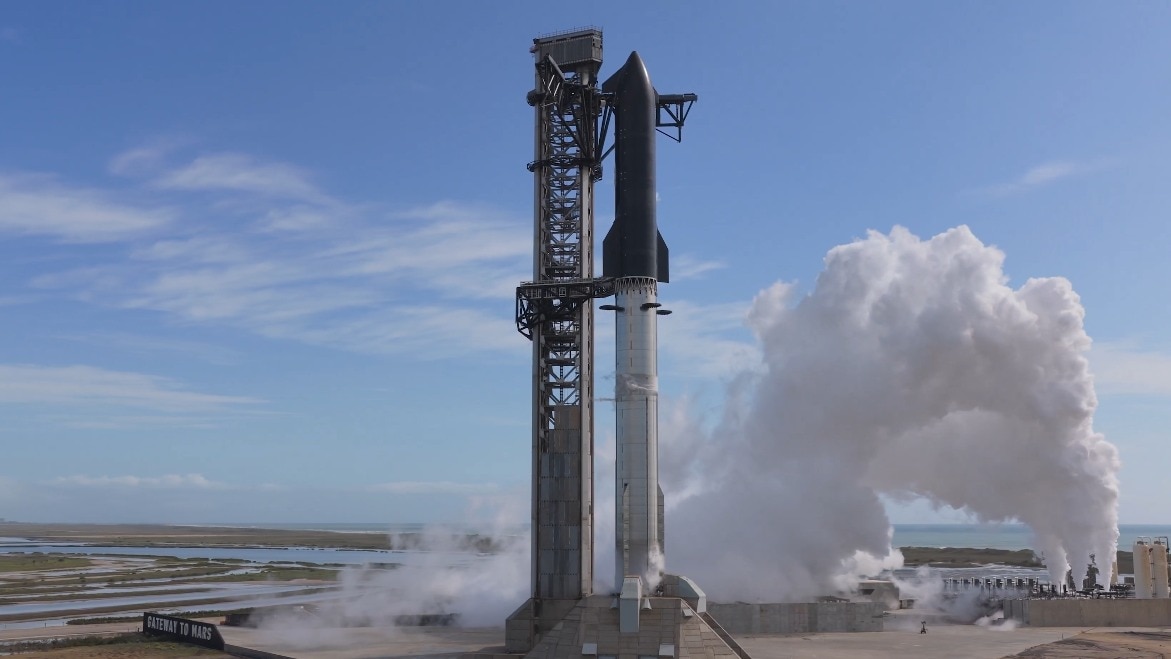
SpaceX completed a wet dress rehearsal for Starship Flight 14 on September 24. The team loaded propellants into the rocket to check ground systems before the launch. Flight 14 is now targeted for Monday, September 28, from Starbase in Texas. This mission aims to finally send the massive rocket into orbit.

Tap to Read More25 Sept 7:59 AM
Bats first originated in Europe 65 million years ago, scientists say

Bats first originated in Europe 65 million years ago, scientists say

The Hindu

Scientists said bats first originated in Europe 65 million years ago. A study of genomes and fossils showed these mammals spread to every continent except Antarctica. Co-author Sonja Vernes said, “Even today, we know that some modern bats can migrate thousands of kilometres and live in very diverse climates.”

Tap to Read More25 Sept 8:30 AM
New tool closes gap in harnessing untapped potential of phages

New tool closes gap in harnessing untapped potential of phages

Physics org

Researchers at the University of Otago developed a new tool to mutate bacteriophages, as featured in Nature Microbiology. Professor Peter Fineran said, "This new development is a big leap in how we can rapidly understand phage biology." This method helps scientists identify essential genes to better use phages against bacteria.

Tap to Read More25 Sept 9:00 AM
Nasa built it for Mars. Now, it's revealing 2,000-year-old hidden secrets on Earth

Nasa built it for Mars. Now, it's revealing 2,000-year-old hidden secrets on Earth

India Today

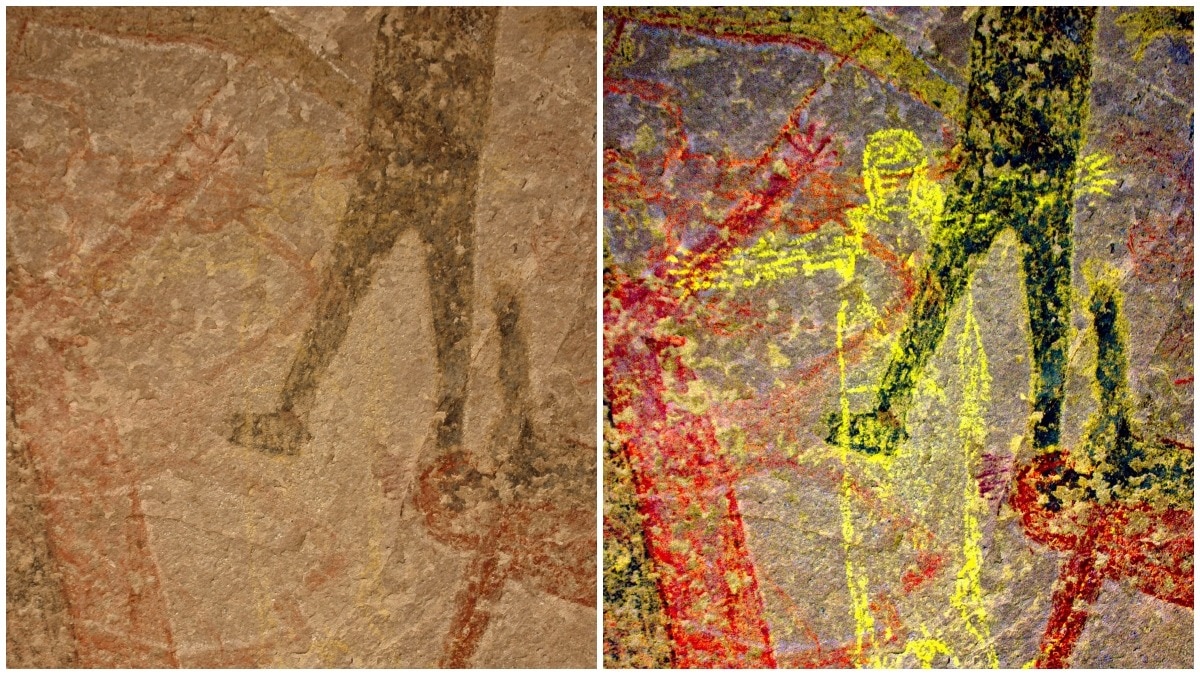
Nasa technology built for Mars is now revealing 2,000-year-old hidden secrets on Earth. The decorrelation stretch technique helps archaeologists uncover faded paintings and ancient rock art. Jon Harman said, "I knew from my medical imaging experience that I could do it, so I did." Many researchers now use this tool.

Tap to Read More25 Sept 7:31 AM
Scientists gave worms magnetic bacteria. They lived 43% longer

Scientists gave worms magnetic bacteria. They lived 43% longer

sciencedaily.com

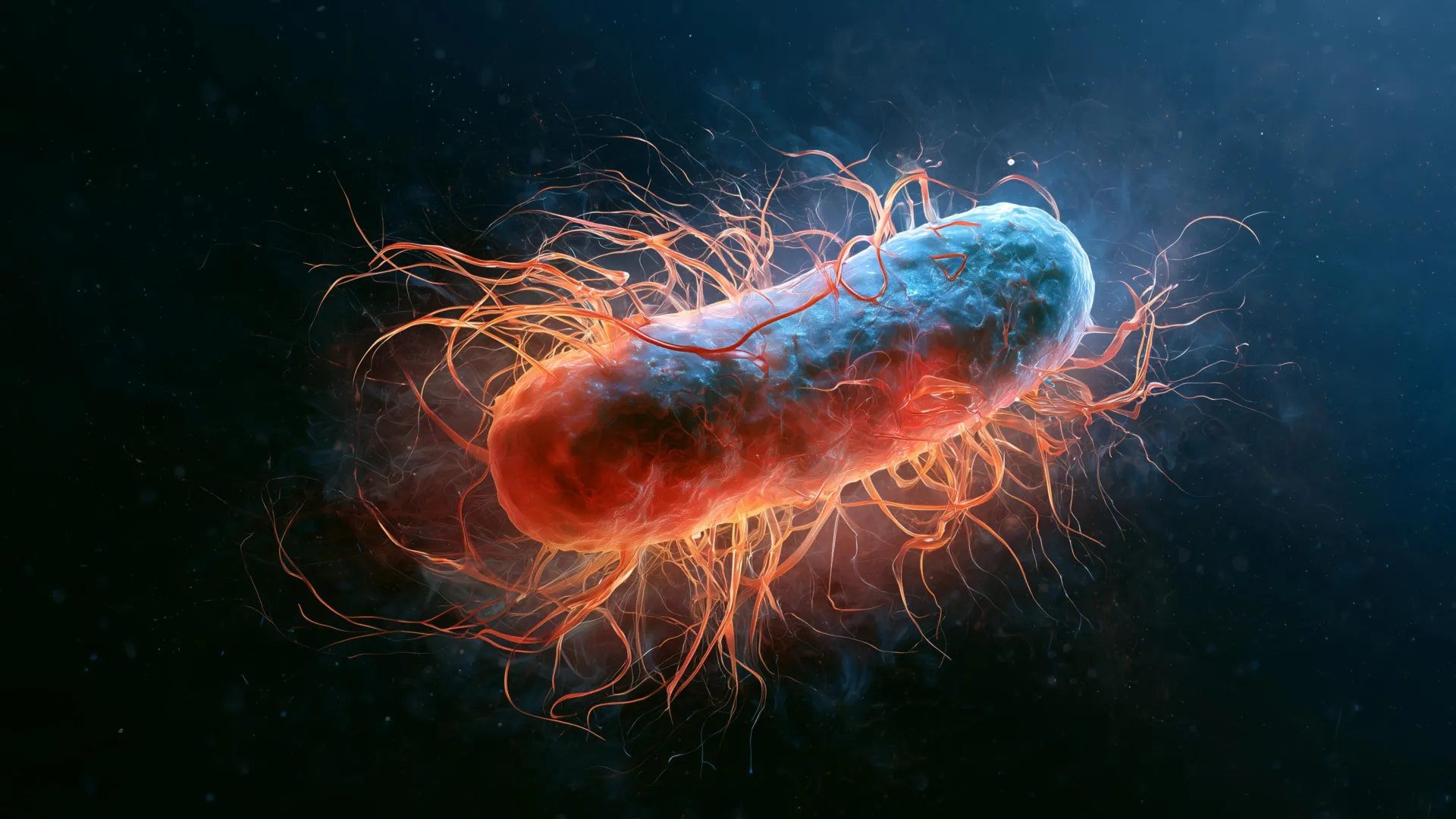
Scientists gave worms magnetic bacteria and found they lived 43.39% longer. The study, published in Free Radical Biology and Medicine, showed that the bacteria AMB-1 helped preserve neurological function. Researchers said the findings "establish a new microbial strategy for anti-aging intervention" by reducing iron buildup and preventing cell death.

Tap to Read More25 Sept 3:53 AM
Cosmic lockdown: How the environment can isolate quantum fields

Cosmic lockdown: How the environment can isolate quantum fields

Physics org

A new study in the Journal of Cosmology and Astroparticle Physics shows how quantum fields get trapped in false vacua. Researchers Robson Christie, Jaewoo Joo, Greg Kaplanek, Vincent Vennin and David Wands used a model to explain this. David Wands said, "A vacuum is rather a state in which a field sits."

Tap to Read More25 Sept 4:00 AM
Scientists discover an “impossible” cellular survival pathway that could help fight cancer

Scientists discover an “impossible” cellular survival pathway that could help fight cancer

ScienceDaily

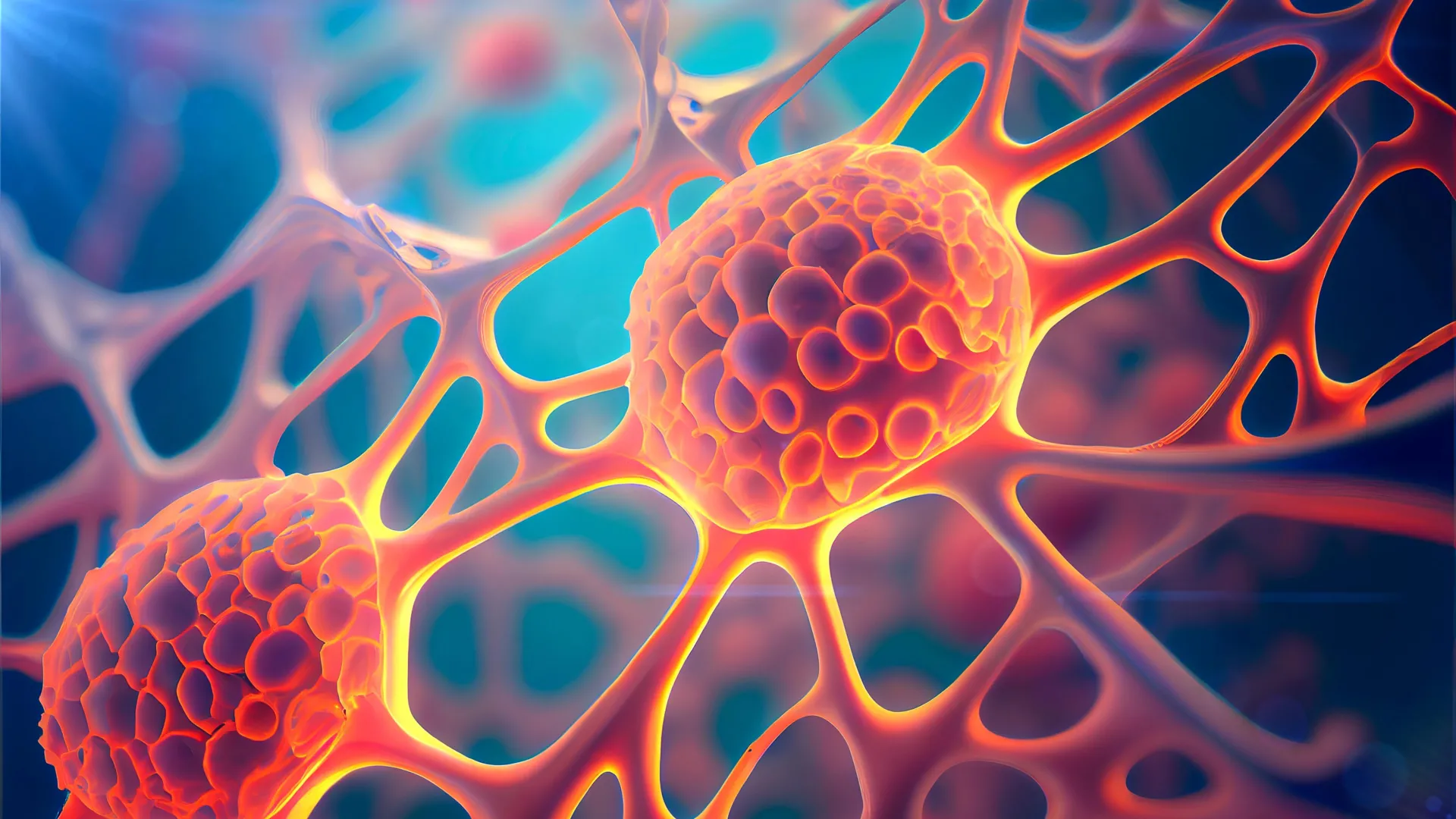
Scientists discovered a new cellular survival pathway that could help fight cancer, as published in Nature Chemical Biology. Lead author Ed Schmidt said, "We have discovered a previously unknown system in mammalian cells that can take over when the main systems fail." This finding challenges long-held beliefs about cell life.

Tap to Read More25 Sept 1:57 AM
Ancient meteorites reveal a powerful force that helped build the Solar System

Ancient meteorites reveal a powerful force that helped build the Solar System

ScienceDaily

New research from MIT suggests magnetism helped build the Solar System. Scientists studied grains inside a meteorite discovered in Antarctica in 2008. These grains formed during the solar system's first 200,000 years. Benjamin Weiss said, "It has long been theorized that gravity caused this, but our measurements show magnetism likely played a role."

Tap to Read More25 Sept 2:47 AM
Top FirstPreviousPage 3 of 7NextTop End

Site Navigation

Terms & ConditionsPrivacy & PolicyRefund PolicyLLMs

Get in Touch

About UsContact UsBlogVideos

TheReader.AI

Summarization is not about shortening text; it’s about amplifying meaning.

Best News App Indiavs InshortsExplore Our Philosophy →
TheReader.AI LogoLets Talk!

Copyright © 2026 TheReader.AI, Your intelligent news reading partner | Powered by CandoMinds