Short news for quality minds. Power your niche.

In 1998, shifting sands on a Norfolk beach exposed the Bronze Age monument now called Seahenge

In 1998, shifting sands on a Norfolk beach exposed the Bronze Age monument now called Seahenge

The Times of India

In 1998, shifting sands on a Norfolk beach exposed Seahenge, a Bronze Age monument. The sea had kept the ancient oak posts and tree stump preserved for centuries. A 2024 study shows Seahenge was a "ritual response to climate stress," now threatened by erosion. Archaeologists rushed to save the fragile timbers.

Tap to Read More
Scientists rescue seeds from THIS last remaining tree in wild before it goes extinct

Scientists rescue seeds from THIS last remaining tree in wild before it goes extinct

WION

Scientists got seeds from the last wild Dendroseris neriifolia tree in Chile. This rare tree faced extinction due to many issues. X-ray tests showed 25 of 29 seeds were viable. Seven seedlings have already started growing, offering hope for the species. Alice Hudson said, "we hope to be able to produce more seed."

Tap to Read More
Why pangolins are vital -- and why Nagaland villages are working to protect them

Why pangolins are vital -- and why Nagaland villages are working to protect them

Indian Express

Nagaland villages use Indigenous laws to protect pangolins, the world's most trafficked mammals. The Sangtam Naga community banned hunting across 42 villages. Conservationist Indrajit Ghorpade said, "Every species plays a role in nature." Pangolins help control pests, vital for ecological balance and human dependence on nature.

Tap to Read More
The bird that woke us up has fallen silent. Can we bring back the Sparrow's chirp?

The bird that woke us up has fallen silent. Can we bring back the Sparrow's chirp?

The Times of India

The house sparrow's chirp is now silent in many cities. BirdLife International reported a 64% population decrease in Europe since the 1970s. In India, Andhra Pradesh saw an 80% drop. Sujan Chatterjee said, "Modern architecture plays a decisive role here." Skyscrapers and lost nesting spaces pushed sparrows out.

Tap to Read More
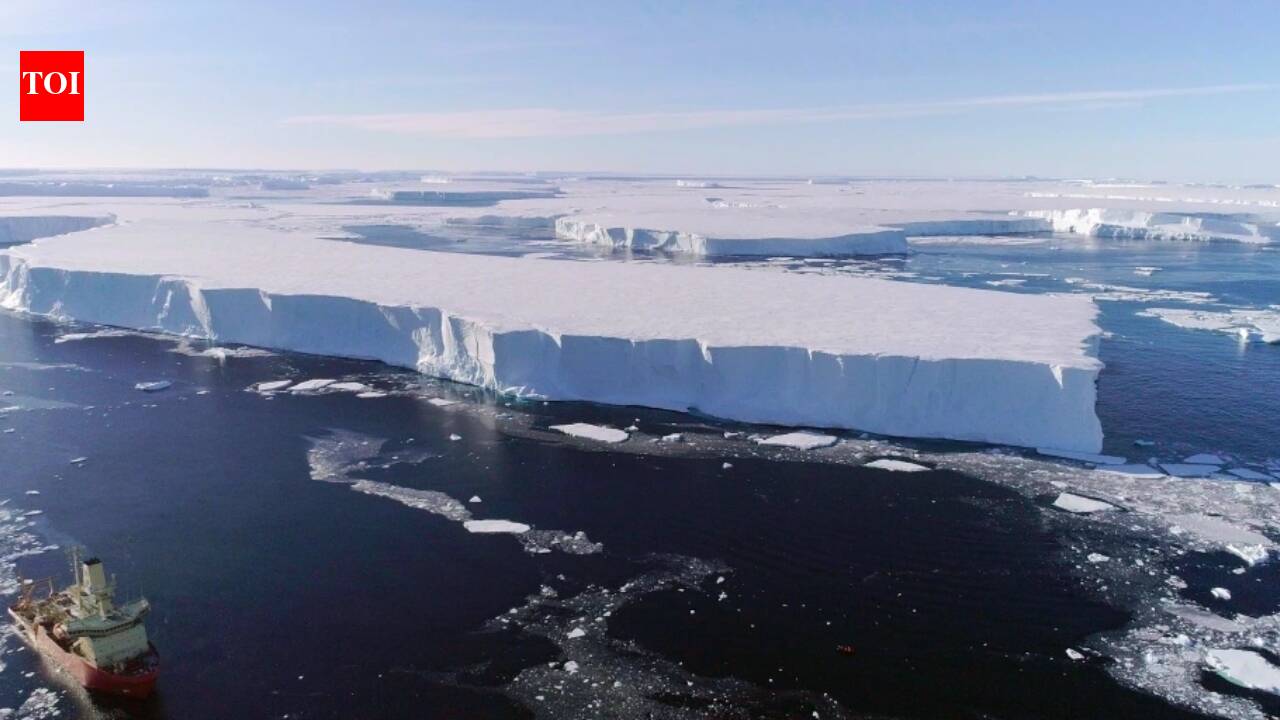
Over 65% of Earth's freshwater is locked in one place, and humans cannot access any of it

Over 65% of Earth's freshwater is locked in one place, and humans cannot access any of it

The Times of India

Over 65% of Earth's freshwater is frozen in Antarctica, inaccessible to billions facing water stress. This vast reserve, "entirely beyond the reach of a planet that is running increasingly short of usable water," highlights scarcity. Only a tiny fraction of Earth's water is usable surface or groundwater.

Tap to Read More
Kaziranga National Park records 30 raptor and six stork species

Kaziranga National Park records 30 raptor and six stork species

The Hindu

Kaziranga National Park recorded 30 raptor and six stork species. A survey between February and March 2, released June 5, found 217 raptors and 266 storks. The park "serves as a last stronghold for the enigmatic Pallas's fish eagle," officials said. Many species use Assam's habitats.

Tap to Read More
Venomous snake alert in South Florida: 4 dangerous species confirmed in region as experts urge caution

Venomous snake alert in South Florida: 4 dangerous species confirmed in region as experts urge caution

The Times of India

Four venomous snakes – cottonmouth, eastern diamondback rattlesnake, pygmy rattlesnake, and coral snake – are confirmed in South Florida. Experts urge caution as suburban growth increases human-animal encounters. The report noted, "four of six venomous species of snakes inhabit South Florida." Awareness is key to avoiding trouble.

Tap to Read More
Climate Focus: El Nino heats up on Environment Day

Climate Focus: El Nino heats up on Environment Day

Reuters

On World Environment Day, June 5, the World Meteorological Organization said El Nino is forming. Tn 80% chance it develops between June and August, with a 90% chance it will last until November. This El Nino could be stronger, and climate change makes it more worrying.

Tap to Read More
Signals from the sea: why sardines, jellyfish are washing ashore

Signals from the sea: why sardines, jellyfish are washing ashore

The Hindu

Indian oil sardines are washing ashore in Kerala, Karnataka, and Goa due to marine heatwaves and El Niño. Scientists said, "Such heat induces physiological stress." Jellyfish also beached in Odisha after Cyclone Mocha, as heatwaves boosted their metabolism. These events disrupt livelihoods and ecosystems.

Tap to Read More
Australian snow season begins amid El Niño fears

Australian snow season begins amid El Niño fears

The Guardian

Australia's snow season started with 20-40cm falls in NSW and Victoria, despite El Niño fears. Webcams showed patchy snow, but resorts are using technology like snow cannons. Thredbo's GM said sales are up, and they are "pretty confident it's going to be a good season". Experts warned dry, warm conditions with El Niño could mean less snow.

Tap to Read More
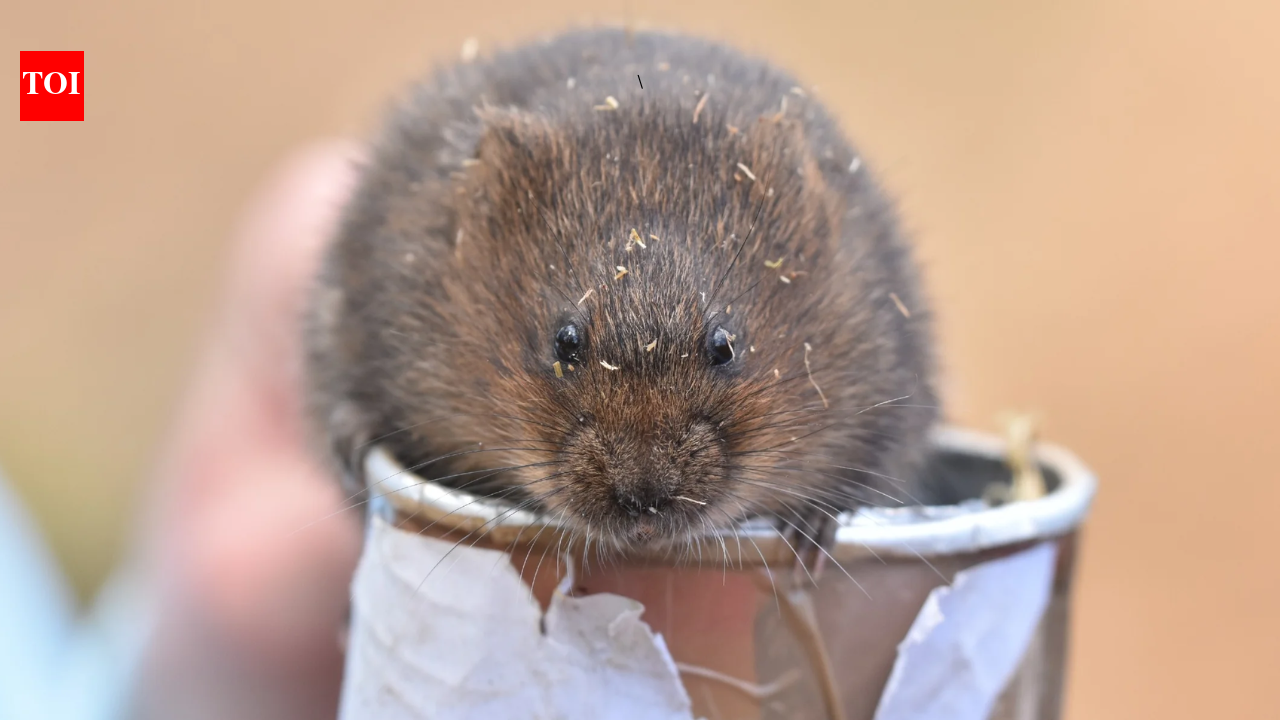
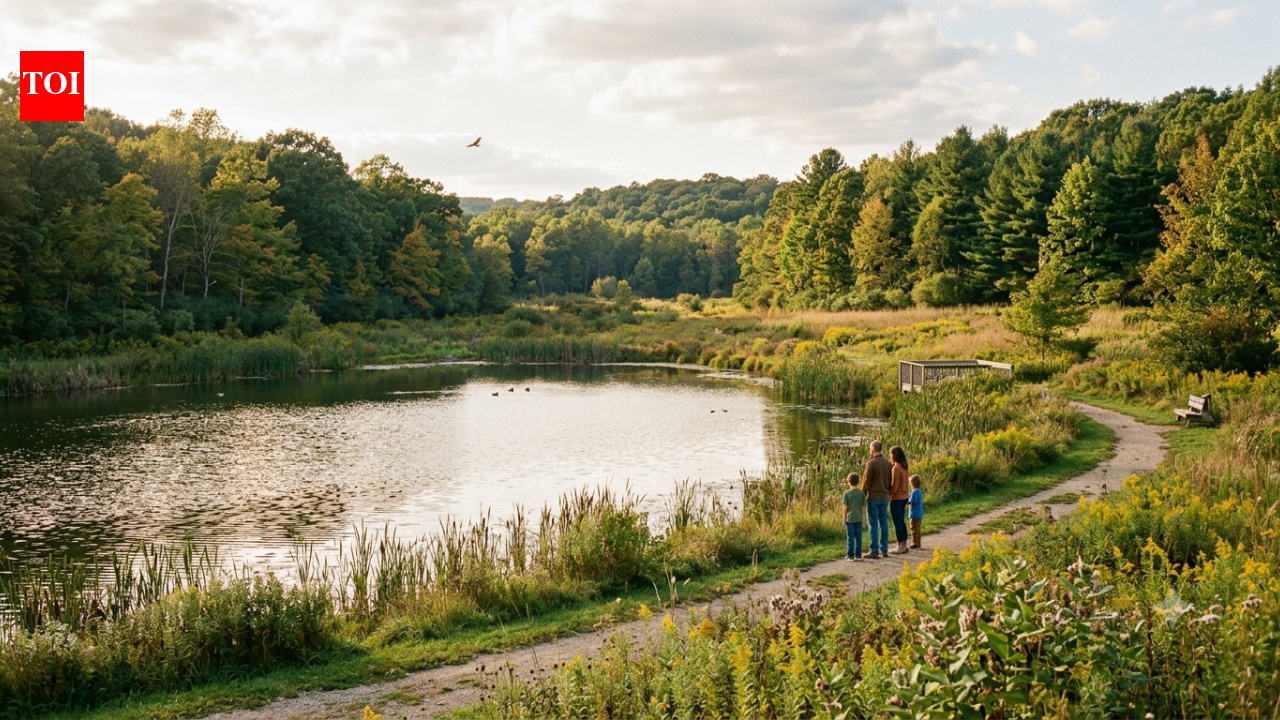
How the 'Picasso of ponds' went from shaping golf courses to making freshwater homes for wildlife

How the 'Picasso of ponds' went from shaping golf courses to making freshwater homes for wildlife

The Guardian

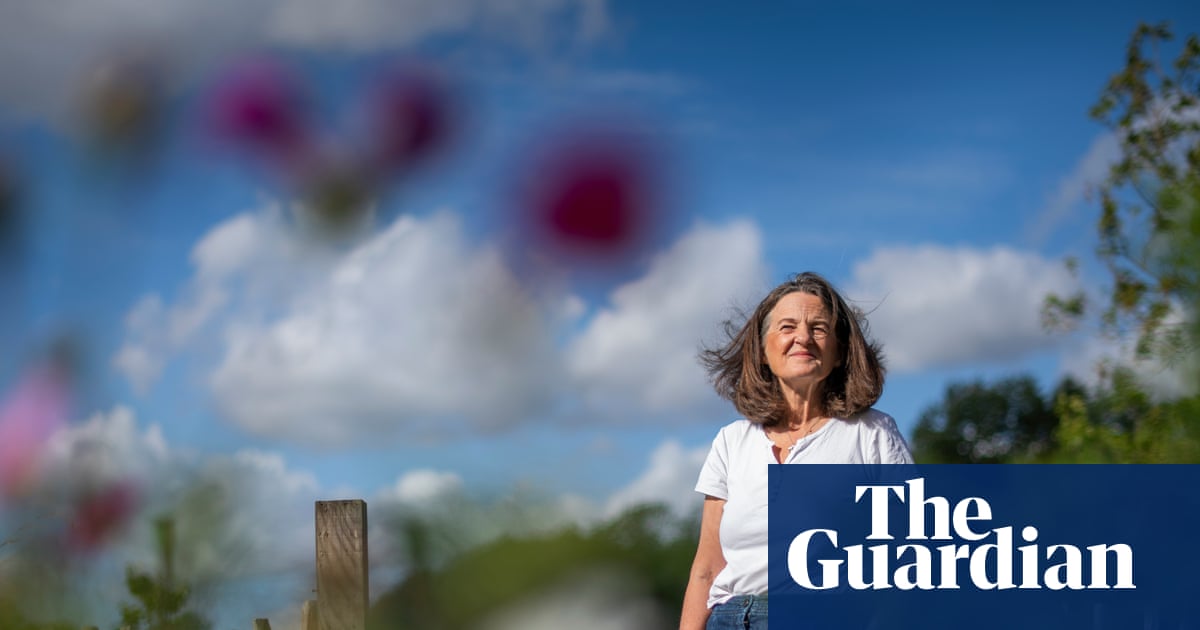
Shaun Hancox, known as the 'Picasso of ponds', uses his golf course shaping skills to create new freshwater homes for wildlife. He has dug scores of ponds for rewilding projects across Britain. Hancox said, "Everyone realises we're in a sorry state with freshwater." Many ponds were lost or degraded.

Tap to Read More
Pedalling towards a cleaner capital

Pedalling towards a cleaner capital

The Times of India

Delhi faces a dual challenge of mobility and environment. With over 1.2 crore vehicles and a population of two crore, the city's limited space struggles to accommodate private transport. The article suggests, "replacing short motorised journeys with cycling or walking" is a simple, effective action for a cleaner capital.

Tap to Read More