Short news for quality minds. Power your niche.

Himalayan Serow makes camera debut in Dalhousie

Himalayan Serow makes camera debut in Dalhousie

Hindustan Times

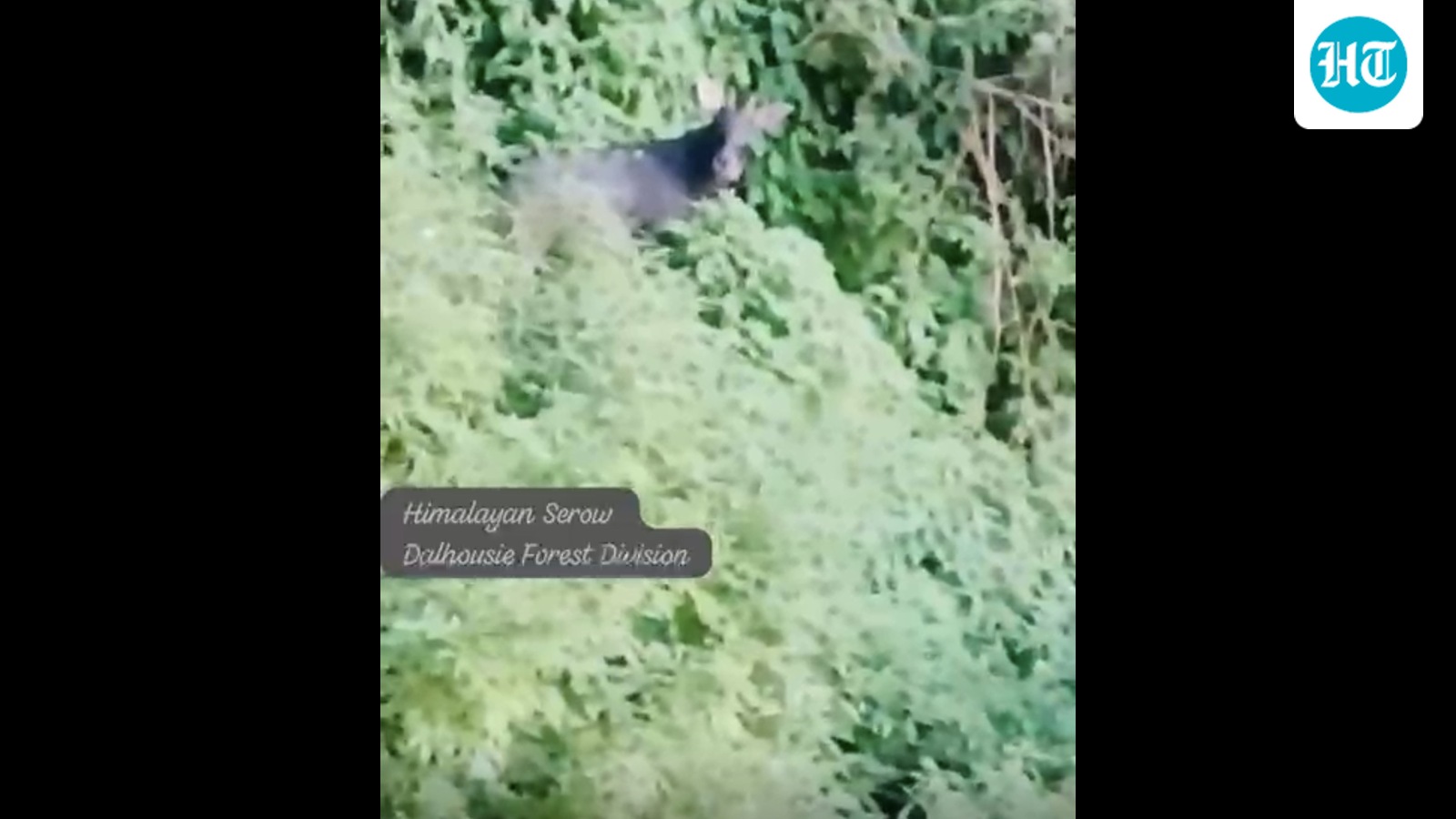
The Himalayan Serow was recorded on camera for the first time in Dalhousie on Sunday, officials said on Tuesday. The rare animal was spotted during a forest patrol. "The video provides the first confirmed visual record of the animal in the region," said DFO Kuldip Singh Jamwal about the discovery.

Tap to Read More
'Had to resume dumping on cleared Singhola waste mound': MCD to NGT

'Had to resume dumping on cleared Singhola waste mound': MCD to NGT

Hindustan Times

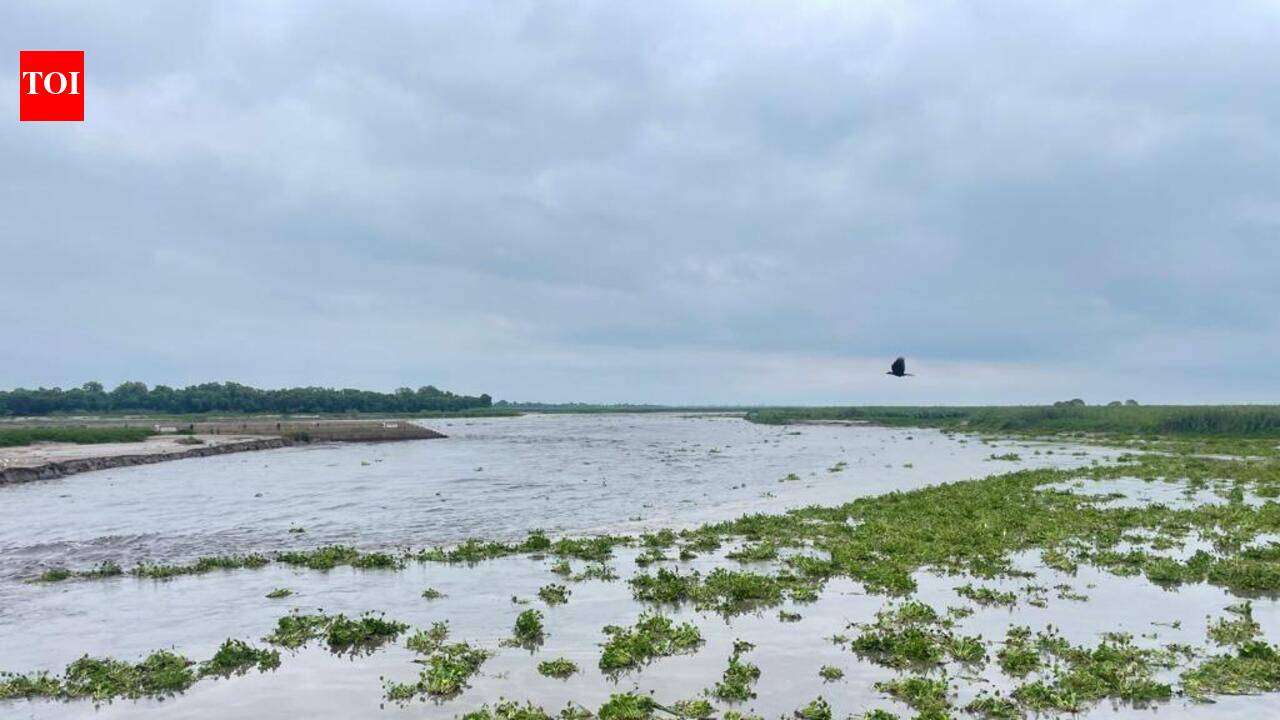
The Municipal Corporation of Delhi told the National Green Tribunal it resumed dumping drain silt at the Singhola site. The civic body said it acted "owing to the urgency of pre-monsoon desilting operations." They are now setting up a new processing facility nearby to stop another waste mound from forming.

Tap to Read More
Country diary: A beetle with a prehensile anus? Thanks to local wildlife recorders, I know one lives here | Gwyneth Lewis

Country diary: A beetle with a prehensile anus? Thanks to local wildlife recorders, I know one lives here | Gwyneth Lewis

The Guardian

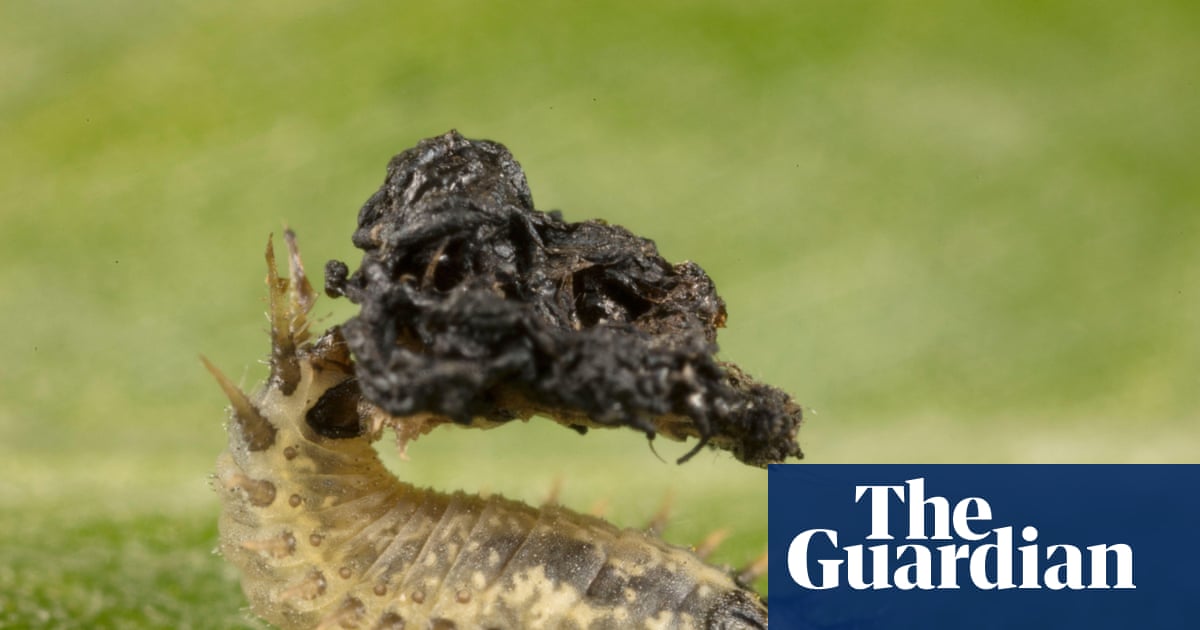
Volunteers in Ceredigion are gathering vital wildlife data by identifying rare species across the region. Experts like Carys May and Steve Chambers track insects and plants to help conservation efforts. These recorders show us that there is no such thing as an ordinary field, revealing nature’s many inventive survival strategies.

Tap to Read More
Calls to ban 'toxic' pet flea treatments that harm UK wildlife and environment

Calls to ban 'toxic' pet flea treatments that harm UK wildlife and environment

The Guardian

A House of Lords report published on Wednesday calls to ban toxic pet flea treatments. These products contain chemicals that pollute UK waterways and harm wildlife. Guy Woodward said, "two sugar cubes of the concentrated active ingredient imidacloprid would be enough to exceed the predicted no-effect concentration in 400 pools."

Tap to Read More
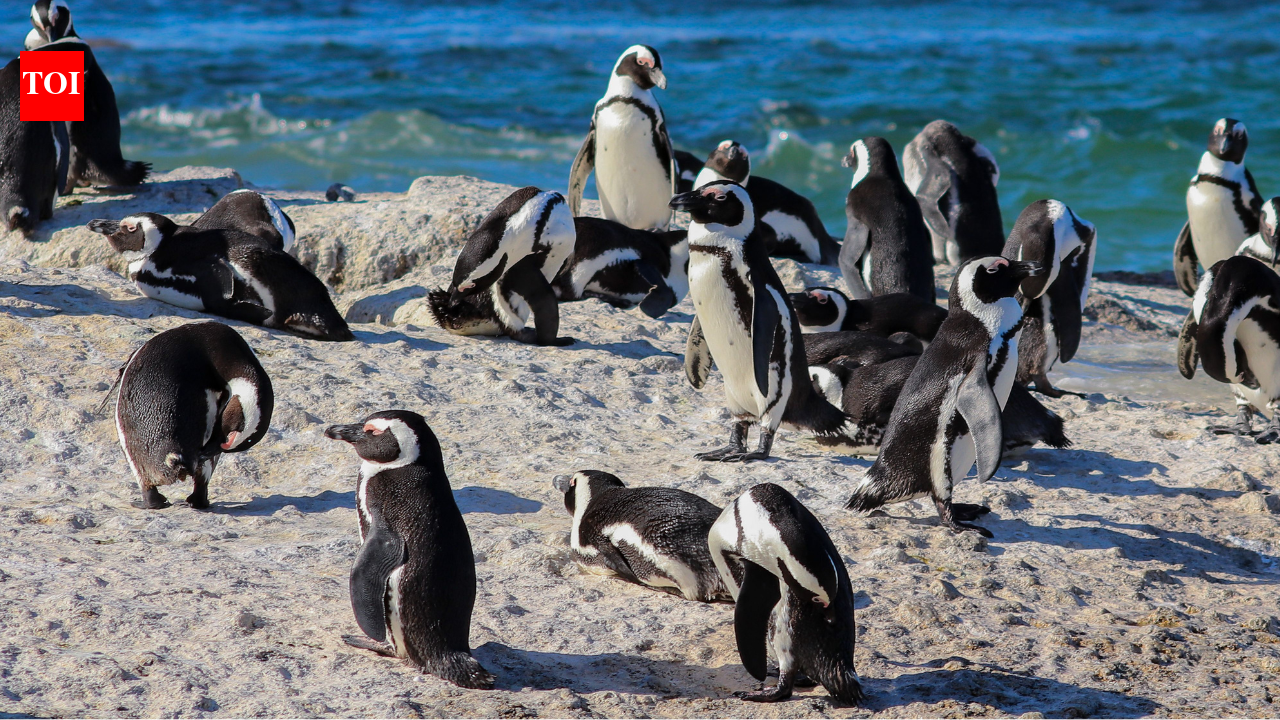
Two penguin pairs colonised a South African beach in 1982; by 2026, about 2,528 birds shared Boulders with swimmers

Two penguin pairs colonised a South African beach in 1982; by 2026, about 2,528 birds shared Boulders with swimmers

The Times of India

Two penguin pairs colonised a South African beach in 1982; by 2026, about 2,528 birds shared Boulders with swimmers. Most growth came from adult penguins moving in from other struggling colonies. Restricted fishing in False Bay helped the birds find food, but the species remains in trouble after decades of decline.

Tap to Read More
Injured rock eagle-owl rescued and released in Sathya Sai District

Injured rock eagle-owl rescued and released in Sathya Sai District

The Hindu

A rock eagle-owl got rescued after being found injured near Dharmavaram in Sri Sathya Sai district on Tuesday, August 4, 2026. Forest officials said the rescue happened under the HANUMAN Wildlife Rescue Initiative. After getting treatment, the bird recovered well and they released it into the Nelakota Reserve Forest safely.

Tap to Read More
South Sudan: How climate change can turn toxic

South Sudan: How climate change can turn toxic

Deutsche Welle

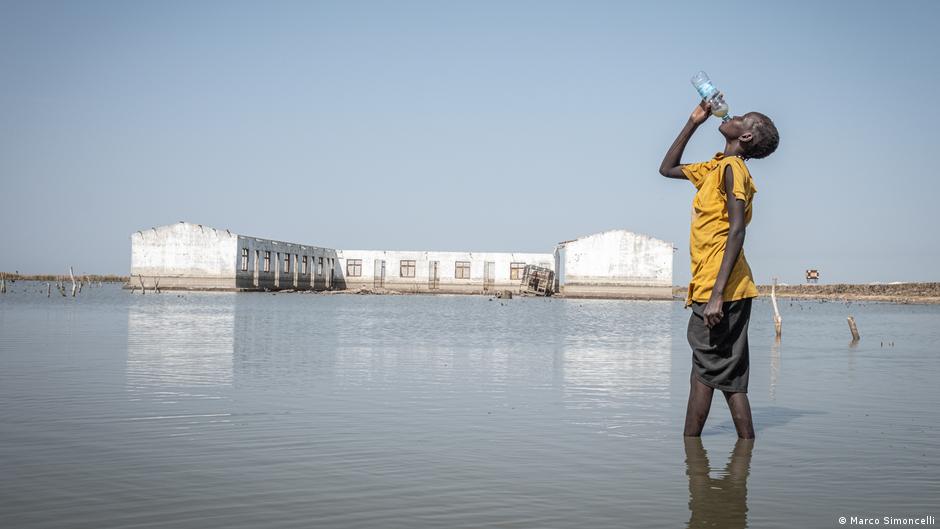
Years of flooding caused toxic water pollution in South Sudan’s oil region, specifically near Bentiu. Residents now struggle to find safe food as floodwaters remain. Camp resident Simon Gatkuoth said, "When we cook them, the soup sometimes smells like penicillin." Many people have no other choice but to eat fish.

Tap to Read More
Saving the Cowichan Estuary: A 'Race Against Time' to stop 60% of our marsh from vanishing forever.

Saving the Cowichan Estuary: A 'Race Against Time' to stop 60% of our marsh from vanishing forever.

The Times of India

British Columbia funded the restoration of 70 hectares in the Cowichan Estuary. The province invested $500,000 to protect the area, as 60% of its marsh could disappear by 2100. Chief Sulsulxumaat Cindy Daniels said the project reflects generations of Quw'utsun stewardship. This work helps salmon, wildlife, and local flood resilience.

Tap to Read More
Punjabi University Study flags heavy metal threat to birds in Harike Wetland

Punjabi University Study flags heavy metal threat to birds in Harike Wetland

The Times of India

A Punjabi University study found heavy metal pollution in Harike Wetland is harming bird populations. Researchers said, "birds at Harike showed substantially higher bioaccumulation of heavy metals than those at Pong Wetland." Untreated sewage and industrial waste caused thinner eggshells and embryo deaths, prompting calls for urgent environmental action.

Tap to Read More
Our coasts are 'losing the race' against rising seas: 84% of wetlands are sinking, and time is running out.

Our coasts are 'losing the race' against rising seas: 84% of wetlands are sinking, and time is running out.

The Times of India

US researchers tracked nearly 450 coastal wetlands for up to 20 years; 84% were sinking towards open water and only 16% kept pace with rising seas. Many wetlands struggle as sea levels rise. Glenn Guntenspergen said, "Our study provides wetland managers with new information to help them make better-informed decisions."

Tap to Read More
Forests are 'struggling' to breathe: Losing biodiversity could slash their growth by 17% in our lifetime.

Forests are 'struggling' to breathe: Losing biodiversity could slash their growth by 17% in our lifetime.

Times of India

Scientists tracked global forest photosynthesis from 2001 to 2020 and found species-rich forests improved faster. The study showed that biodiversity helps trees absorb more carbon dioxide. Researchers warned that if biodiversity loss continues, forest photosynthesis trends could fall by up to 17% by 2050, weakening a key climate buffer.

Tap to Read More
Scientists say global warming is accelerating: Here's why the world could reach the 1.5°C climate limit sooner than expected

Scientists say global warming is accelerating: Here's why the world could reach the 1.5°C climate limit sooner than expected

The Times of India

A study published in Geophysical Research Letters says global warming has accelerated significantly. Researchers analyzed five major temperature datasets and found the pace of warming increased around 2013 or 2014. This trend is clear after removing natural factors like El Niño, showing the world faces climate thresholds much sooner.

Tap to Read More