
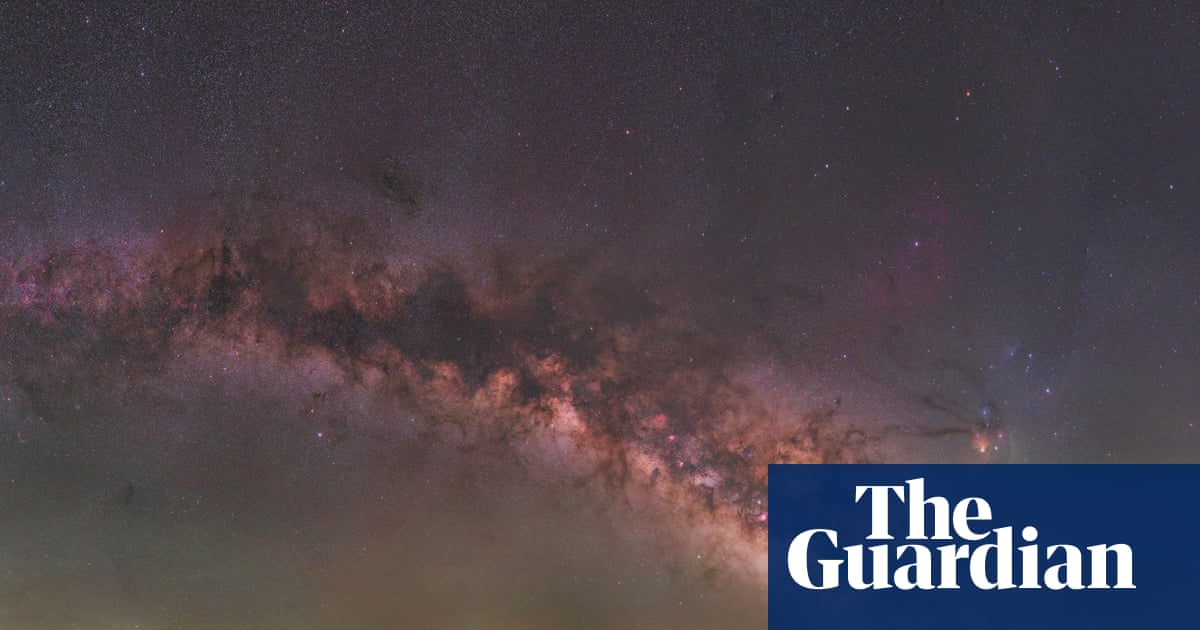
സ്പെയിനിലെ ജനവാസം കുറഞ്ഞ പ്രദേശങ്ങളായ എക്സ്ട്രീമദുര, കാസ്റ്റിൽ ആൻഡ് ലിയോൺ എന്നിവ വിനോദസഞ്ചാരികളുടെ തിരക്കില്ലാത്ത ശാന്തമായ ഇടങ്ങളാണ്. മലിനീകരണമില്ലാത്ത ആകാശവും വന്യജീവികളും നിറഞ്ഞ ഈ പ്രദേശം ആസ്ട്രോ ടൂറിസത്തിന് പേരുകേട്ടതാണ്. തിരക്കുകളിൽ നിന്ന് മാറി പ്രകൃതിയുടെ മടിത്തട്ടിൽ നക്ഷത്രങ്ങളെയും വന്യജീവികളെയും കാണാൻ ആഗ്രഹിക്കുന്നവർക്ക് ഇതൊരു മികച്ച കേന്ദ്രമാണ്.
A world away from the tourist hotspots of the coast, Extremadura and Castile and León offer unpolluted skies, lower prices - and hope for the future of vulnerable wildlife
As photographed at night from a satellite, or the International Space Station (ISS), the Iberian peninsula looks encrusted with lights along its coastal edges. Madrid forms a big pulsing cluster near the centre, while surrounding hinterlands appear as something of a void. Ever fewer people live out in Castile and León and Extremadura, adjoining regions that cover much of what is known as La España Vacía, or "Empty Spain".
Not many visit either, or at least not compared with Barcelona and other glowing nodes of the tourist circuit. So, while the big ports and resorts struggle to manage surplus holidaymakers, there is room for plenty more out west, toward the Portuguese border. Some have been following the stars that way lately, under the auspices of an astrotourism initiative called Extremadura Buenas Noches.
A route map plotted point-to-point between optimal stargazing sites leads to distant outposts like La Siberia (so-called because it felt that remote to workers who laid down the first roads and railways in these parts) and the Corral de los Lobos, an ancient stone enclosure on a hilltop, built to trap wolves when they outnumbered the farmers and shepherds around here.
Corral de los Lobos also lies in one of the rainier reaches of the Spanish interior, and the weather has mostly closed over the night sky when I go up to look. But even through breaks in the clouds, I can see the ISS pass in its elliptical orbit. Beyond that, Jupiter. And, much farther out, the Milky Way.
"Big region, small population, almost no light pollution," says forestry engineer and nature guide Alberto Garzón Fernández the next day, on a misty hike through Garganta de los Infiernos, a nature reserve named for the fearsome sound of water through its gorges.
There are no other forms of pollution either, it seems. We look down into gigantic cauldrons of granite known as marmitas, where the River Jerte swirls like soup in a pot around eroded rock smooth as brushed steel. The lichen across the wet surface is a luminous green, "a bioindicator of clean air".
"Extremadura is, no doubt, the most natural and healthy place to live," Garzón says. His claim extends to non-human natives, not least the birds, and he points skyward to the ghostly profiles of honey buzzards and griffon vultures floating in the vapour off the peaks above. Thanks to "sound management", as he puts it, the Spanish imperial eagle is now seen in much healthier numbers up there.
The Iberian lynx population, meanwhile, is climbing steadily from dangerous lows of a few decades ago in neighbouring Monfragüe national park, where Garzón was born and raised. And the Iberian wolf - hunted and displaced almost to extinction before recent, belated protections - has been making a comeback over the flanking Gredos mountains.
That's close enough for their howls to be heard again from the Corral de los Lobos, on those same clear nights when "the stars look so close you could touch them", says Garzón. The return of these signature species gives him hope for our own. "To me, they represent our capacity to do things right, but we so often wait until the last minute."
If this region has felt the benefit of a minimal human presence lately, it's hardly untouched by the increasing hazards of our time. The heatwave-borne wildfires of 2025 burned through nearly 20,000 hectares (49,400 acres) of the Jerte valley's famous cherry orchards. All that damage is bound to affect the harvests to follow - one of the few events to draw a crowd to this area. "It will still be beautiful," says Sara Cudero Morcuende at Alimentación Sara, a grocery store in the nearby mountain town of Valverde de la Vera.
Her shop is so well stocked with local delicacies that the place would make a killing if transplanted to, say, east London: figs and olives from surrounding groves, sweet and hot paprika dried over open fires, all sorts of cherry jams and liqueurs. But her town, like many in the region, has lost thousands of residents in recent years.
There's a gothic-romantic hush to the cobbled streets below Valverde de la Vera's ruined and overgrown castle. The quietude, the quasi-abandonment, may yet enhance the appeal to those passing through, though it can't be good for business. "A few more customers would be nice," says Cudero, but otherwise the town has only a couple of tapas bars, a few guesthouses, and no hotel.
For my part, I make use of Spain's state-owned parador network, which tends to offer surprisingly affordable rooms in converted convents and palaces, mostly within the medieval walls of the nearest comparatively big cities. The provincial capital, Cáceres; Trujillo, with its dreamlike hilltop fortress; and Plasencia, with its two half-cathedrals (one never fully demolished, the other forever unfinished), make good, solid bases.
Fun fact: there are more pigs than people in these regions, including the black, acorn-fed pigs of the dehesa forest, whose meat becomes the world-renowned jamón ibérico. Including, too, the very chunky fellow I encounter in La Alberca, enjoying a siesta in a sty that is also a kind of shrine. Custom dictates that a single fat pig be allowed to wander and eat at its leisure for seven months of each year, until it's raffled off for the feast of San Antón in January. In the past, that porker was invariably eaten, but some recent winners have apparently kept them as pets.
La Alberca is also known for its gorgeous three-storey houses with half-timber facades, the legacy of Christian settlers from Burgundy, who came to occupy territory reconquered from the Moors 1,000 years ago. The encircling mountains are called the Sierra de Francia for that reason, their slopes thick with oak forests that yield many fine species of mushroom.
"You can eat them all," says biologist and guide Marino Esteban (La Alberca visitor centre operates hikes into the forest), on a walk through woods that look more like French or even English countryside. "But some you can only eat once." This is his way of saying that certain types are toxic. This is also to say that a massive meal at Meson de San Martín - a stonebuilt tavern that seems the only place open in nearby village San Martín del Castañar - is not all about the ham.
There's plenty of that, but also plenty of the freshly picked penny bun mushrooms grilled with garlic salt and olive oil, not to mention the chestnuts, cheeses, tomatoes and potatoes of surrounding farmlands, and the red wine made from native rufete grapes - as good as anything I've tried from more domineering production regions such as La Rioja and Ribera del Duero.
And here's the big secret I learn on this little road trip: you can often eat and drink better and cheaper in "Empty Spain" than in most of the busier quarters. This was one of the great lunches of my life, I tell the cheery chef, Alfonso Buenaventura Calvo. His wife and co-owner Belén answers for him: "Of course it was."
The trip was provided by the Spanish tourist office, Turismo Extremadura and Turismo Castilla Y León. Accommodation provided by Paradores). For stargazing, see extremadurabuenasnoches.com. Aventura Jerte offers tours with Alberto Garzón Fernández