Short news for quality minds. Power your niche.

Bringing it all into focus-computational microscope captures 25.2 billion pixels per second across a wide field of view

Bringing it all into focus-computational microscope captures 25.2 billion pixels per second across a wide field of view

Physics org

A UC Berkeley-led team designed a computational microscope capturing 25.2 billion pixels per second. Published in Nature Photonics, the device uses 48 camera sensors to record high-speed, detailed images across wide areas. "This is really a breakthrough in the field of computational microscopy," said principal investigator Laura Waller about the study.
Tap to Read More
Google removes Nano Banana AI feature from Google Earth amid misinformation concerns - India TV News

Google removes Nano Banana AI feature from Google Earth amid misinformation concerns - India TV News

India TV News

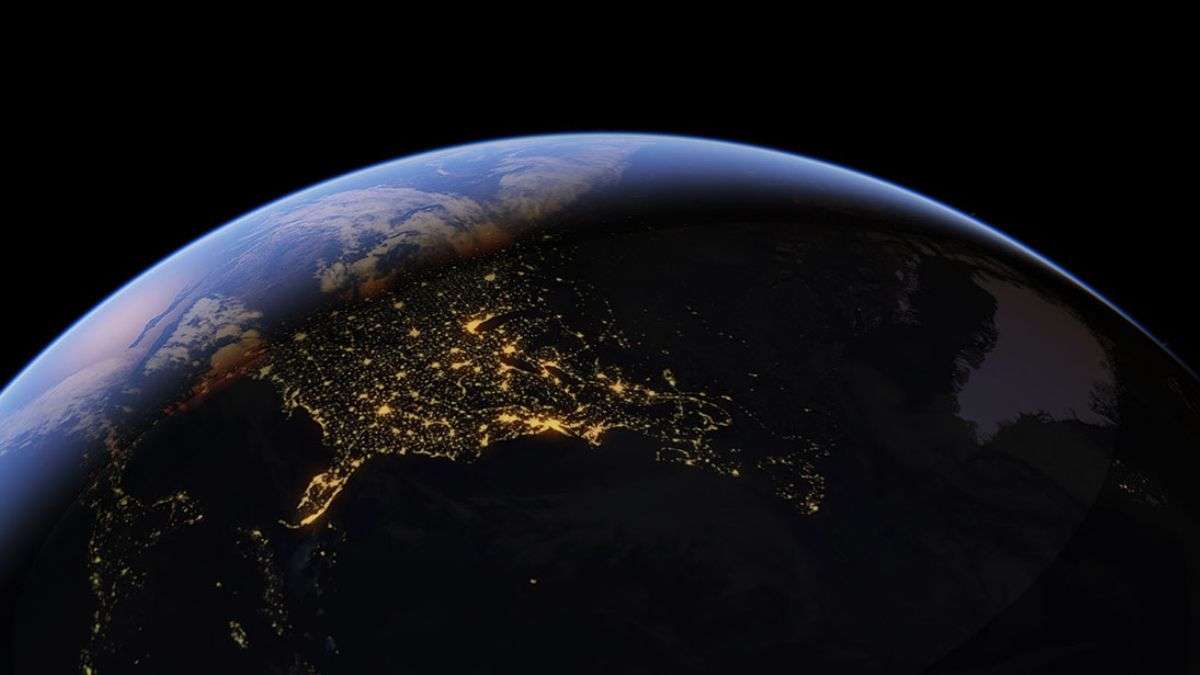
Google removed its Nano Banana AI feature from Google Earth one day after launch. The company said it pulled the tool after users created misleading images of real locations. Many people worried the feature could spread misinformation. Google now plans to work on stronger safeguards to ensure better platform trust.

Tap to Read More
Indian astronaut Ajit Krishnan in US for year-long strategic leadership training

Indian astronaut Ajit Krishnan in US for year-long strategic leadership training

India Today

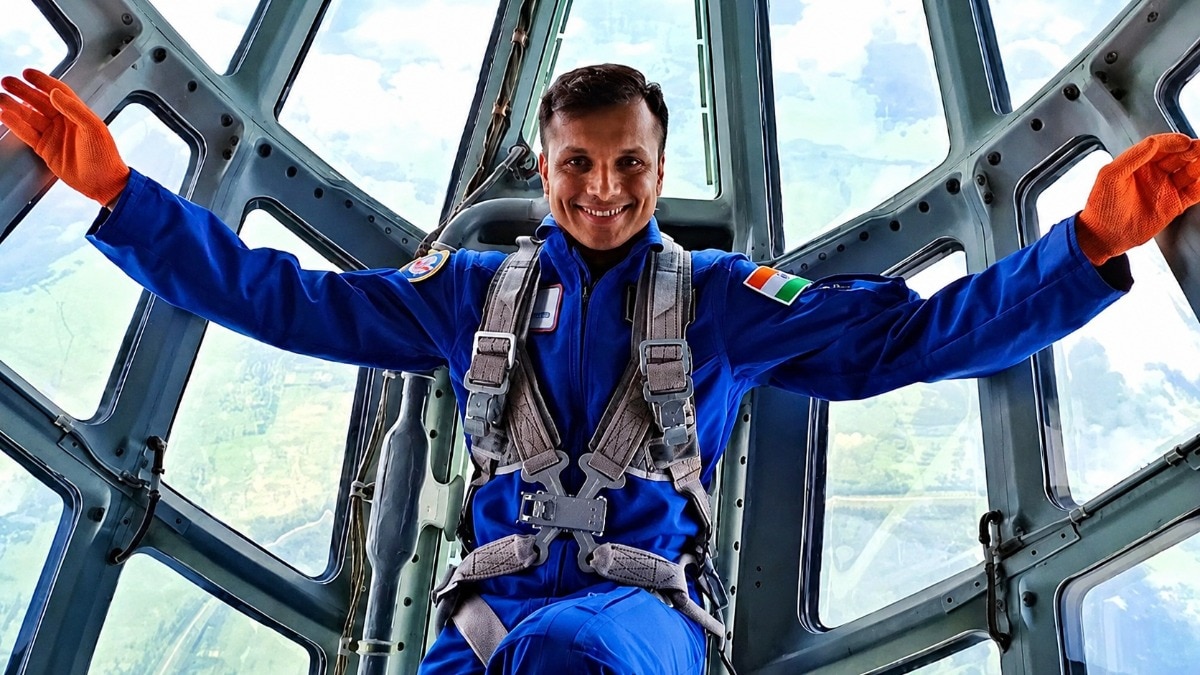
Indian astronaut Group Captain Ajit Krishnan is in the United States for a year-long leadership programme at the US Air War College. The fighter pilot, selected for India’s Gaganyaan mission, will study strategic military education. This training helps him gain a deeper understanding of global air power and defence policy.

Tap to Read More
48-year-old samples from Shroud of Turin still carry traces of a complex journey

48-year-old samples from Shroud of Turin still carry traces of a complex journey

WION

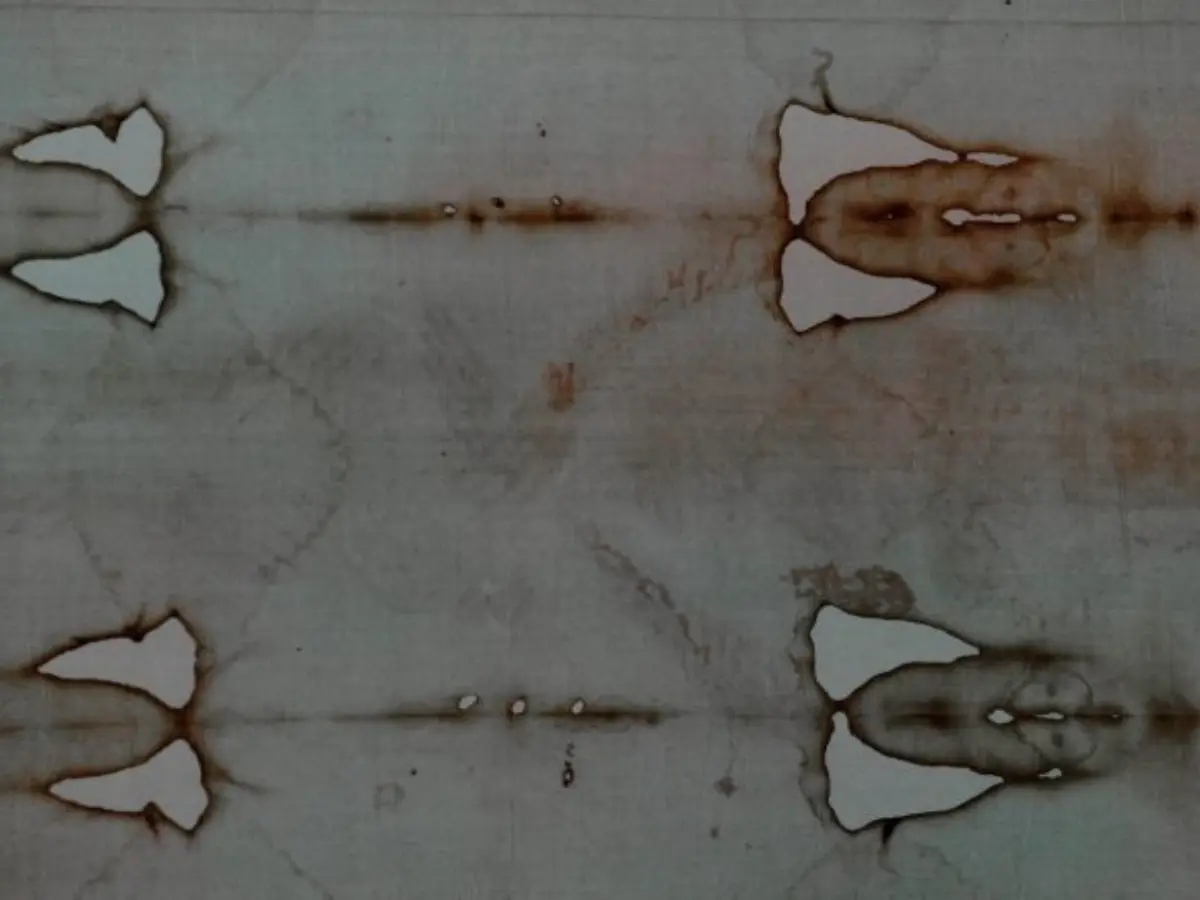
Scientists analysed samples from the Shroud of Turin collected in 1978, revealing a complex biological history. The study, published on July 9, showed traces of humans, animals, and plants. Professor Noemi Procopio said, "The Shroud represents a rich archive of genetic information that has accumulated over centuries of human interaction."

Tap to Read More
Elon Musk wants humans to go to Mars, but Sun is killing the Red Planet every day

Elon Musk wants humans to go to Mars, but Sun is killing the Red Planet every day

India Today

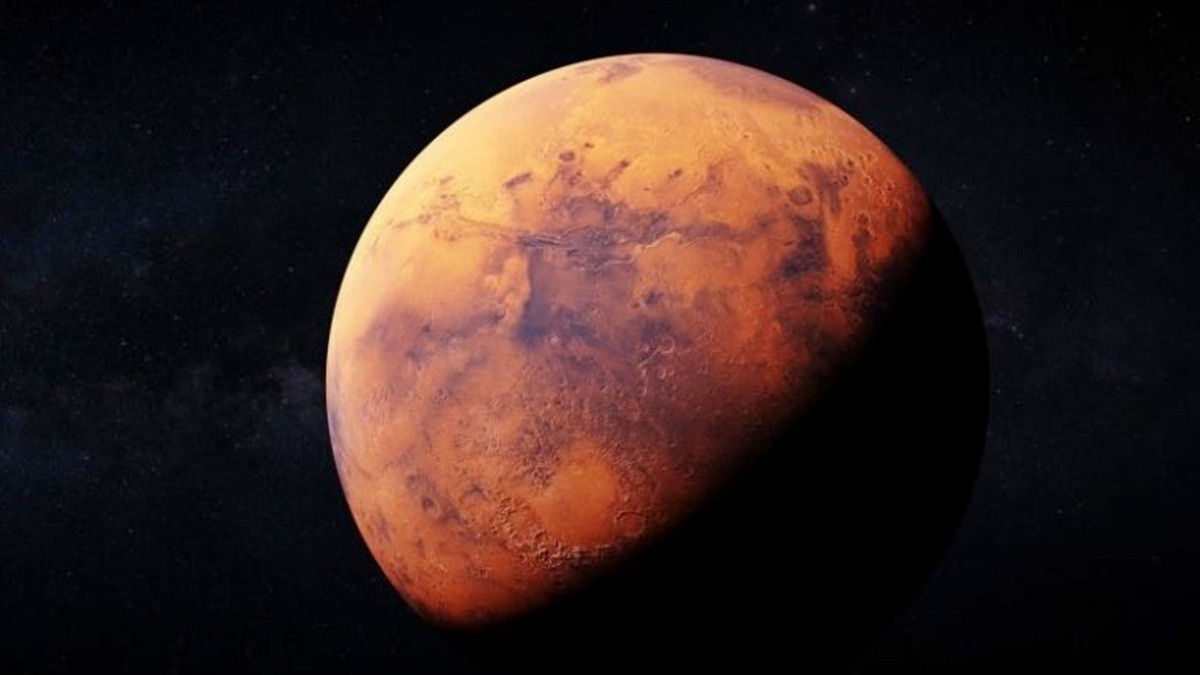
Elon Musk wants humans to go to Mars, but the Sun is stripping away the planet's atmosphere. A study in Science Advances showed how solar wind creates waves that carry gas into space. Lead author Chi Zhang said, "We provided clear evidence that these plasma clouds are generated by Kelvin-Helmholtz waves."

Tap to Read More
On this day in space! Aug. 3, 2004: NASA launches MESSENGER spacecraft to orbit Mercury

On this day in space! Aug. 3, 2004: NASA launches MESSENGER spacecraft to orbit Mercury

space.com

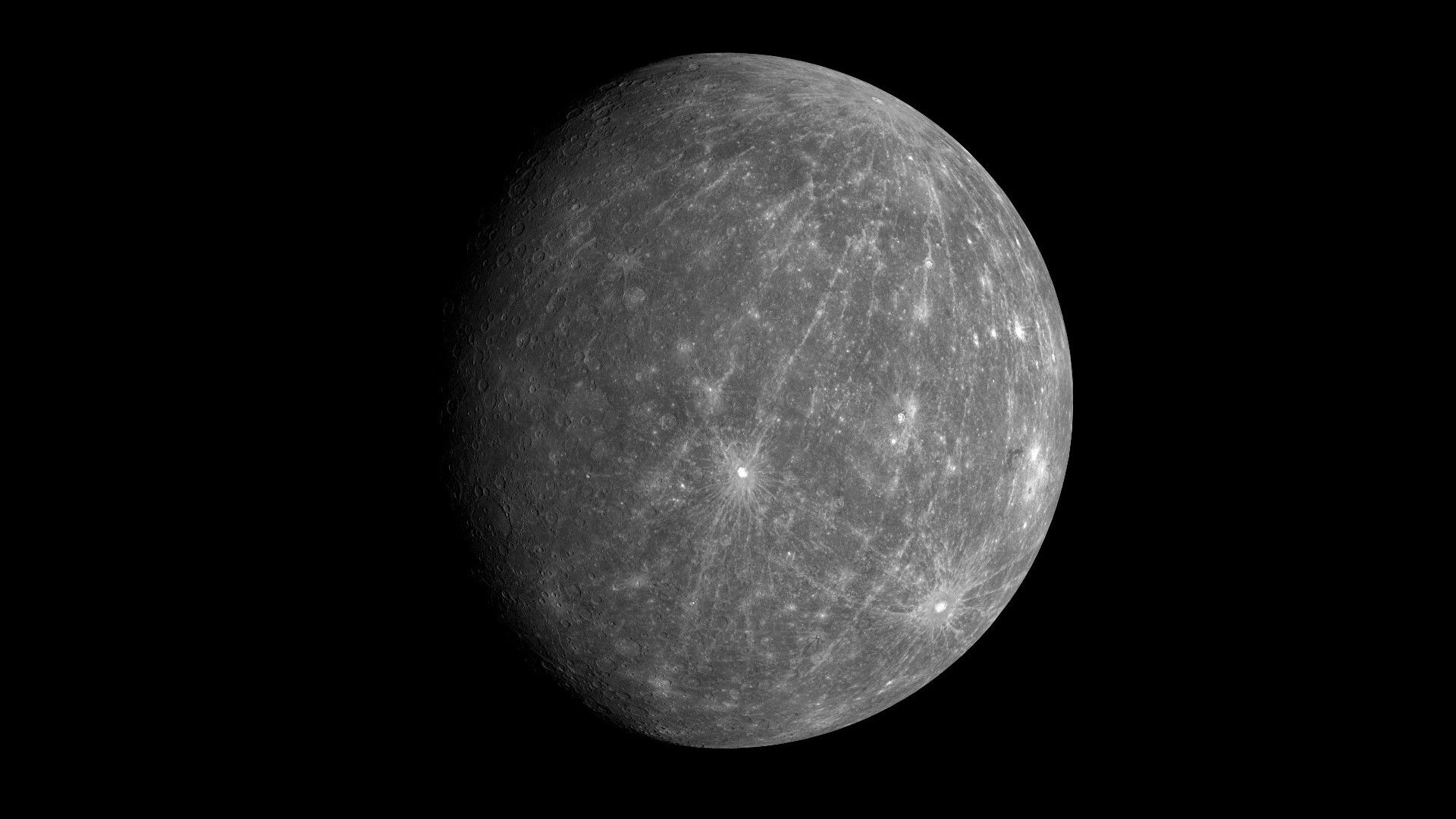
On Aug. 3, 2004, NASA launched the MESSENGER spacecraft to orbit Mercury. It blasted off on a Delta II rocket from Florida. The mission helped scientists study the planet’s huge core and icy poles. After many years of discovery, NASA ended the mission in 2015 by crashing the probe into Mercury.

Tap to Read More
Scientists watch, molecule by molecule, as cell helpers rescue problem proteins

Scientists watch, molecule by molecule, as cell helpers rescue problem proteins

Physics org

University of Wollongong scientists watched, molecule by molecule, as two helper proteins rescued misfolded proteins. The study, published this week in Science Advances, showed how Hsp70 and Hsp90 work together. Professor Heath Ecroyd said, "We've essentially watched, for the first time, how the cell's protein repair crew works together."

Tap to Read More
The 1st 'three-headed' asteroid photo of the day for Aug. 3, 2026

The 1st 'three-headed' asteroid photo of the day for Aug. 3, 2026

space.com

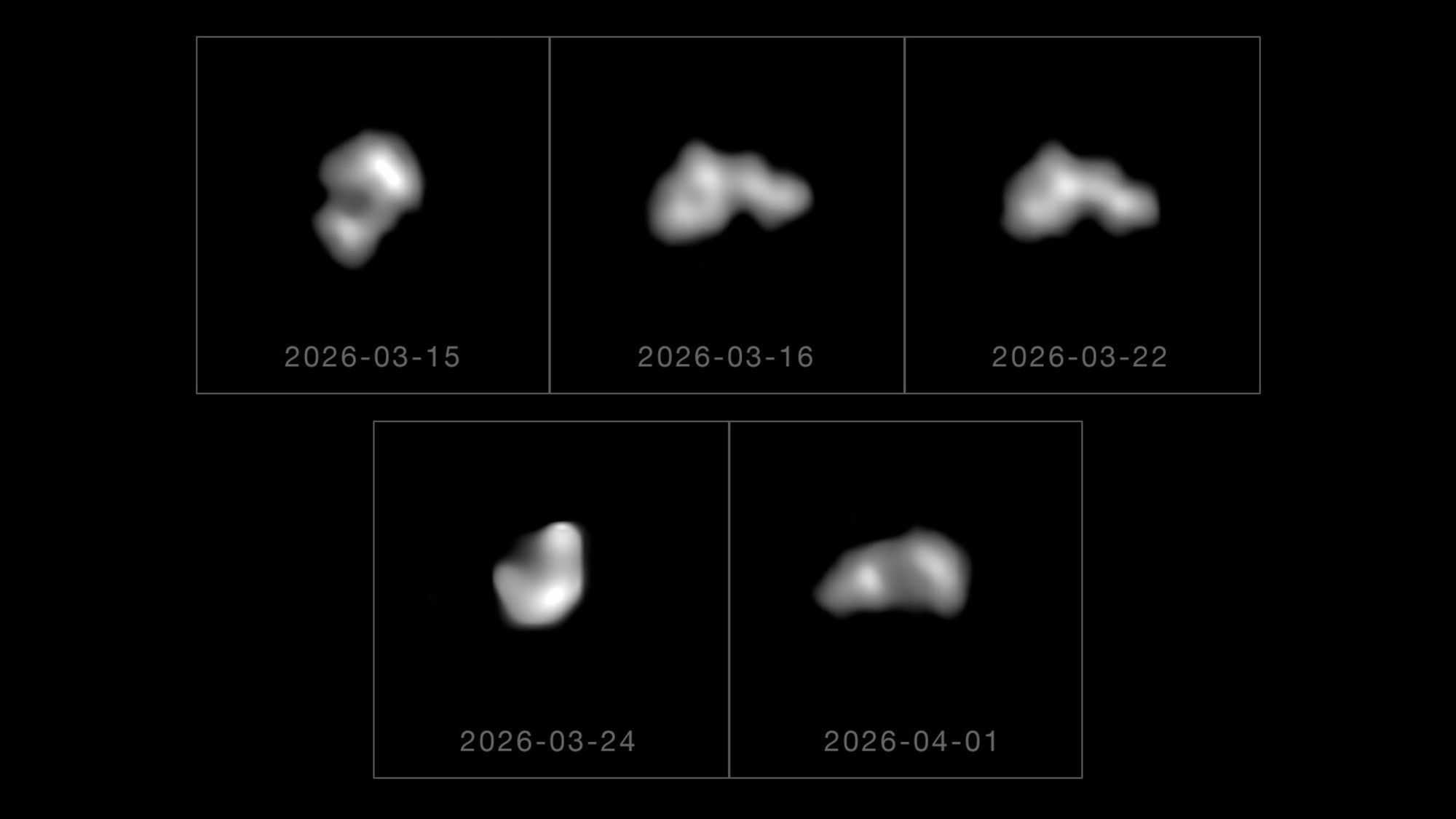
New images from August 3, 2026, show the first three-headed asteroid, (44) Nysa. Located between Mars and Jupiter, this 47-mile-wide object has a unique shape and a tiny moon. Kate Minker said, "The images reveal a remarkably unusual object." Scientists believe it is either three connected parts or one irregular body.

Tap to Read More
Pluto's hazy atmosphere may be collapsing as it moves farther from the sun

Pluto's hazy atmosphere may be collapsing as it moves farther from the sun

Physics org

Pluto’s atmosphere may be collapsing as the planet moves farther from the sun. Researchers led by Amanda Sickafoose found that atmospheric pressure fell by 16% between mid-2021 and July 2023. Scientists used starlight to track these changes. "We try to improve those data sets by collaborating with local observers," Sickafoose said.

Tap to Read More
Study lays groundwork for classifying lunar soil

Study lays groundwork for classifying lunar soil

Physics org

Researchers proposed a new classification framework for lunar soil in the Soil Science Society of America Journal. This system helps scientists understand the moon’s surface for future missions. Jérôme Juilleret said, "We believe this expertise can now help guide the next era of lunar exploration." It could support sustainable human settlement.

Tap to Read More
Scientists may have found aging’s hidden trigger for brain disease

Scientists may have found aging’s hidden trigger for brain disease

ScienceDaily

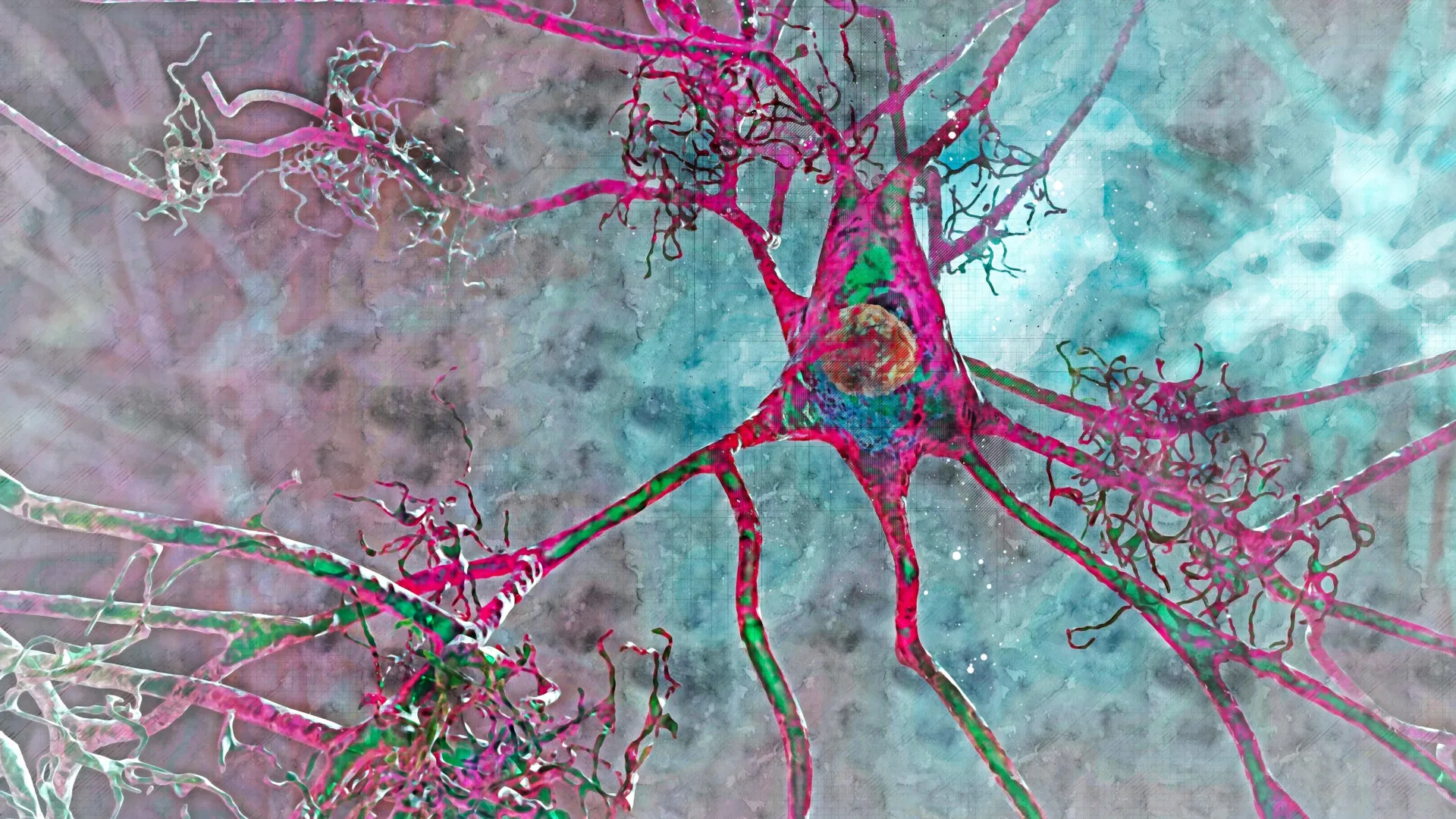
Scientists identified a protein pathway linking aging to brain diseases like Huntington’s and ALS. Research published in Nature Aging showed that the protein EPS8 triggers toxic buildup. Dr. Seda Koyuncu said, "This study may contribute to filling in a part of that puzzle." Reducing EPS8 levels helped preserve neuronal function.

Tap to Read More
Astronomers watch a black hole's feeding frenzy end with a bad case of cosmic indigestion

Astronomers watch a black hole's feeding frenzy end with a bad case of cosmic indigestion

space.com

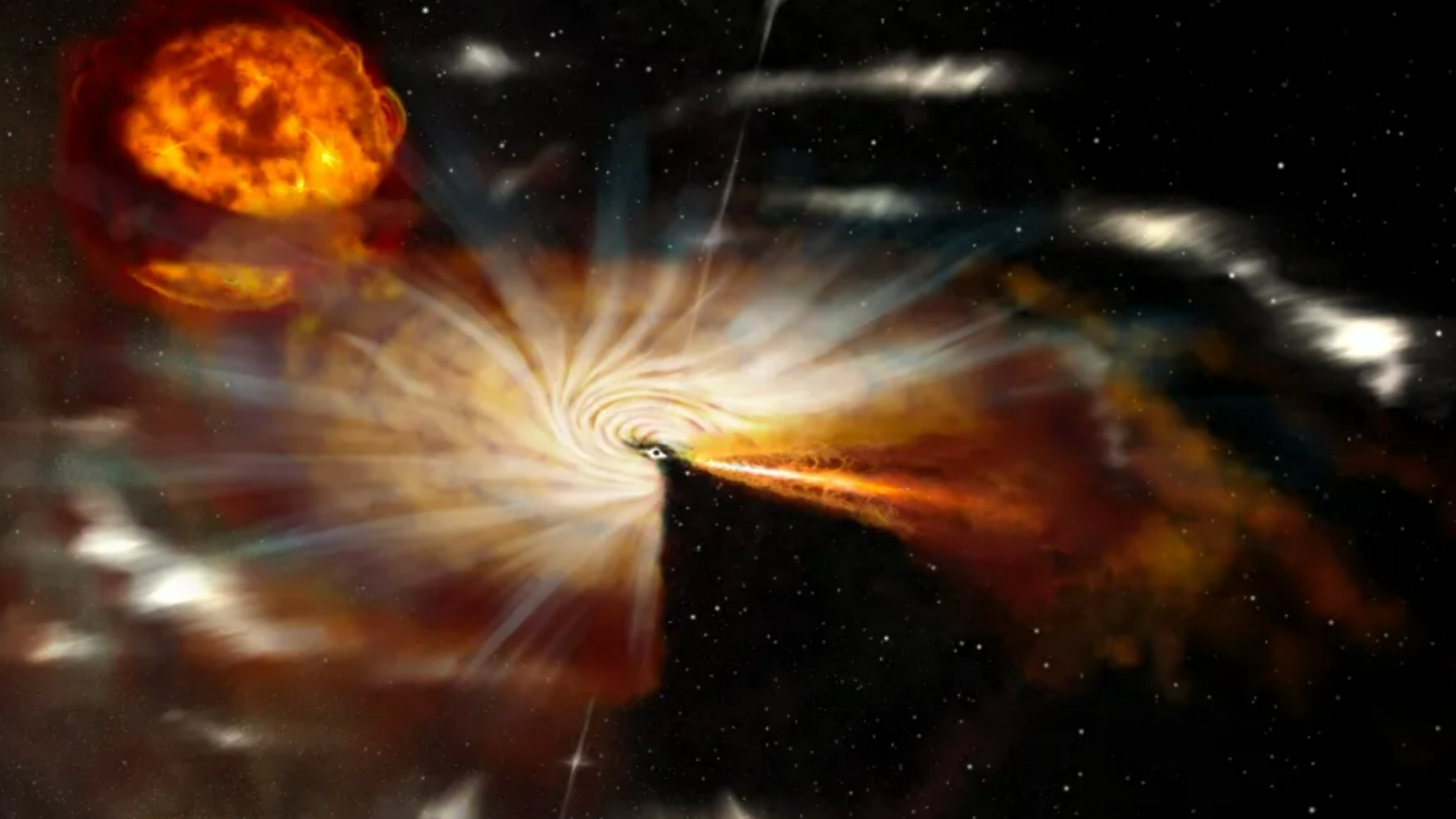
Astronomers used the Very Large Telescope to watch the black hole Swift J1727.8−1613 during its 2023 feeding frenzy. They saw the system blast material back into space instead of swallowing it all. Noel Castro Segura said, "Matter falls in, the system processes it, and a surprising amount is expelled again."

Tap to Read More