Short news for quality minds. Power your niche.

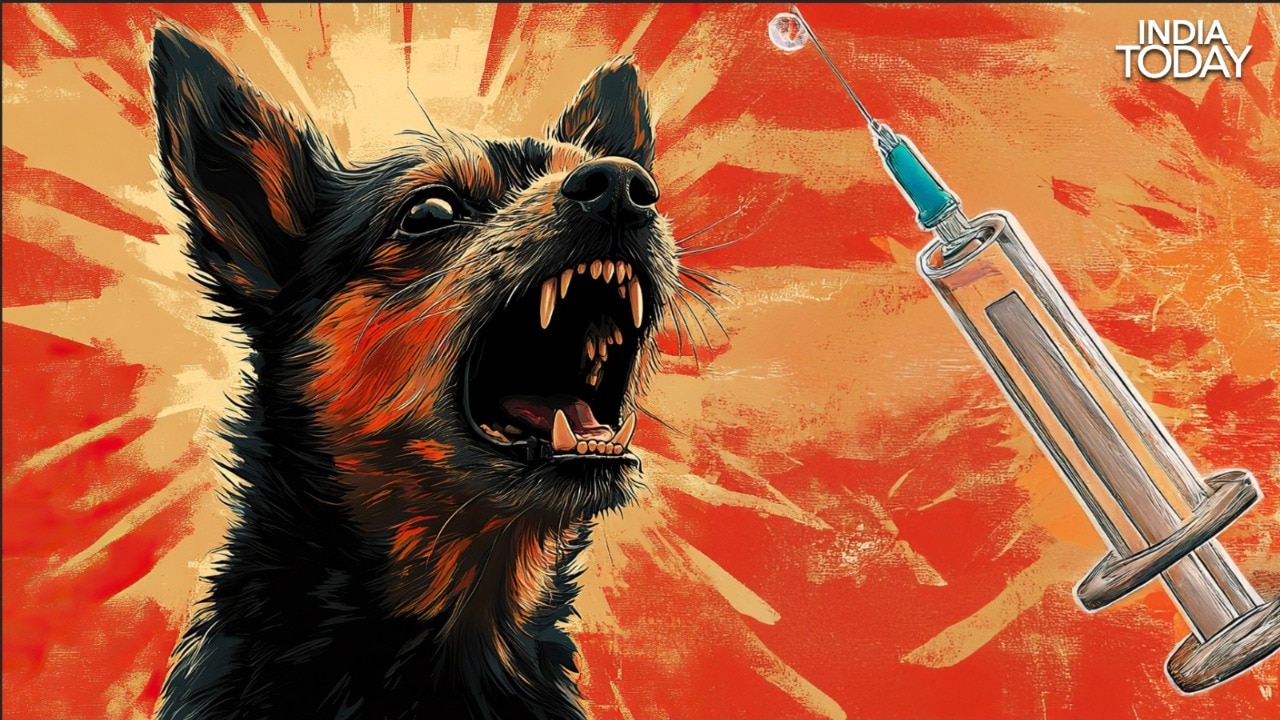
Rabies vaccine failure study: NIMHANS finds PEP errors behind most deaths

Rabies vaccine failure study: NIMHANS finds PEP errors behind most deaths

India Today

A NIMHANS study found that most rabies deaths after vaccination happen because of errors in treatment, not vaccine failure. Researchers reviewed 89 cases and said, "Every time such a case is reported, people ask whether the vaccine has failed." Most patients missed essential steps in their post-exposure care protocol.

Tap to Read More
Clinical study finds family conflict outweighs academic stress in students’ mental health struggles

Clinical study finds family conflict outweighs academic stress in students’ mental health struggles

The Hindu

A clinical study by Cadabams Hospitals found family conflict causes more student mental health struggles than academic stress. Data from 3,569 counselling sessions showed family issues ranked at 14% against 10% for academics. Neha Cadabam said, “We need to move beyond conversations around examinations and create emotionally safe environments.”

Tap to Read More
Asteroid Nysa's rare three-lobed structure challenges formation models

Asteroid Nysa's rare three-lobed structure challenges formation models

Physics org

Astronomers discovered that asteroid 44 Nysa has a rare three-lobed structure. A team led by Kate Minker used the Large Binocular Telescope and Very Large Telescope to capture these clear images. This strange shape challenges current formation models, as the asteroid might be three rocks touching or one solid object.

Tap to Read More
Helicopters are 'airlifting' hope to save California’s giant sequoias from a permanent burn scar.

Helicopters are 'airlifting' hope to save California’s giant sequoias from a permanent burn scar.

The Times of India

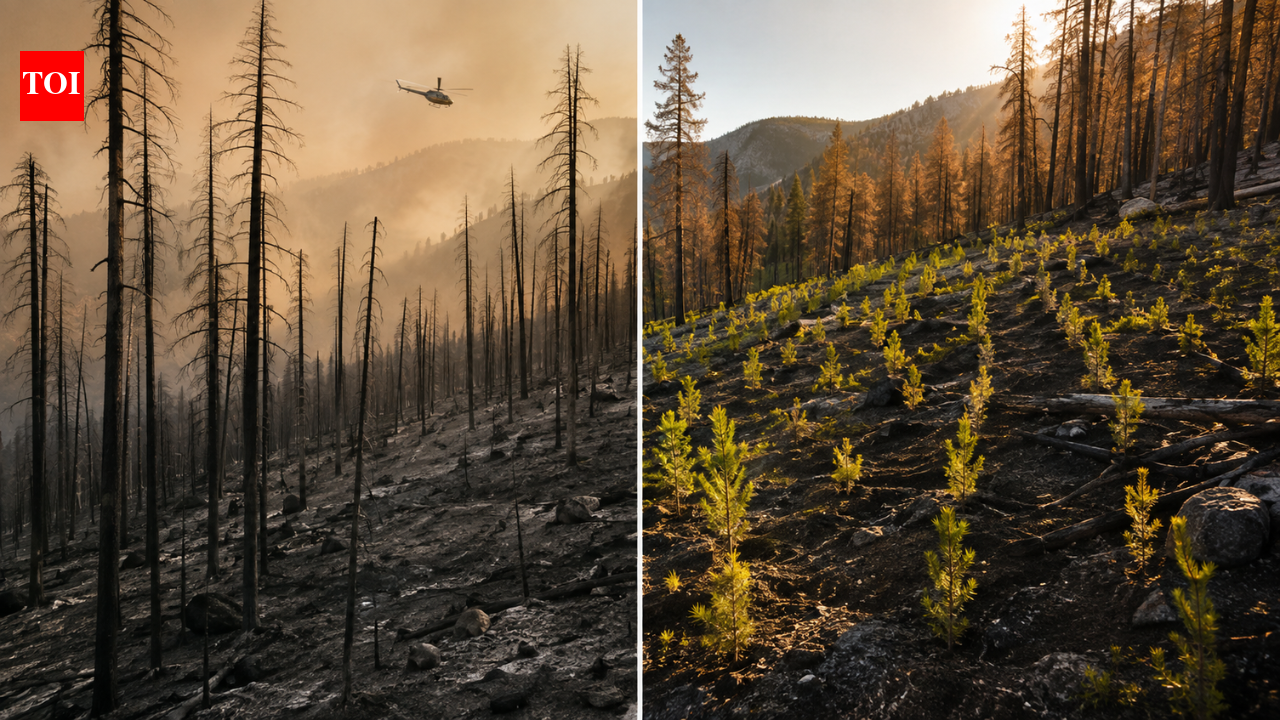
In 2024, helicopters delivered 3,800 giant sequoia seedlings seven miles into California wilderness to replant a 48-acre burn scar. The National Park Service said the grove had little chance of regrowing on its own after the 2020 Castle Fire. Crews hand-planted the trees because the area lacks road access.

Tap to Read More
TrackAF: Rethinking atrial fibrillation across a lifetime

TrackAF: Rethinking atrial fibrillation across a lifetime

Open Access Governme...

Axel Loewe from Karlsruhe Institute of Technology started the TrackAF network to rethink atrial fibrillation care. This project uses AI and heart science to study the disorder across a lifetime. It will train 15 doctoral candidates to build better tools for early detection and personalised treatment for many patients.

Tap to Read More
Long before GPS, Polynesian sailors crossed the Pacific by reading stars, waves, winds, birds and clouds

Long before GPS, Polynesian sailors crossed the Pacific by reading stars, waves, winds, birds and clouds

The Times of India

Long before GPS, Polynesian sailors crossed the Pacific by reading stars, waves, winds, birds and clouds. They travelled thousands of kilometres in double-hulled canoes without modern tools. These wayfinders used a refined science passed down through generations, memorising star positions and ocean swells to navigate across the vast open water.

Tap to Read More
Advancing Atomic Force Microscopy with Sub-Ångström Stability

Advancing Atomic Force Microscopy with Sub-Ångström Stability

AZoNano.com

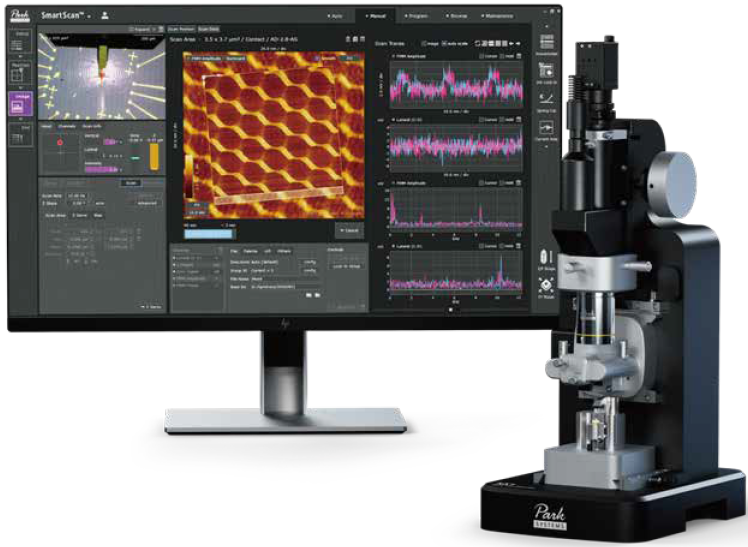
Park Systems introduced the NX1 on Aug 4 2026 to provide high-resolution atomic force microscopy. This compact device uses a Kovar-based core and precision scanner to ensure stable imaging of crystalline materials. Researchers use this tool for atomic lattice studies, as its low-noise design helps capture clear data in ambient settings.

Tap to Read More
World's oldest amber has been found in China, and it is 65 million years older than expected

World's oldest amber has been found in China, and it is 65 million years older than expected

The Times of India

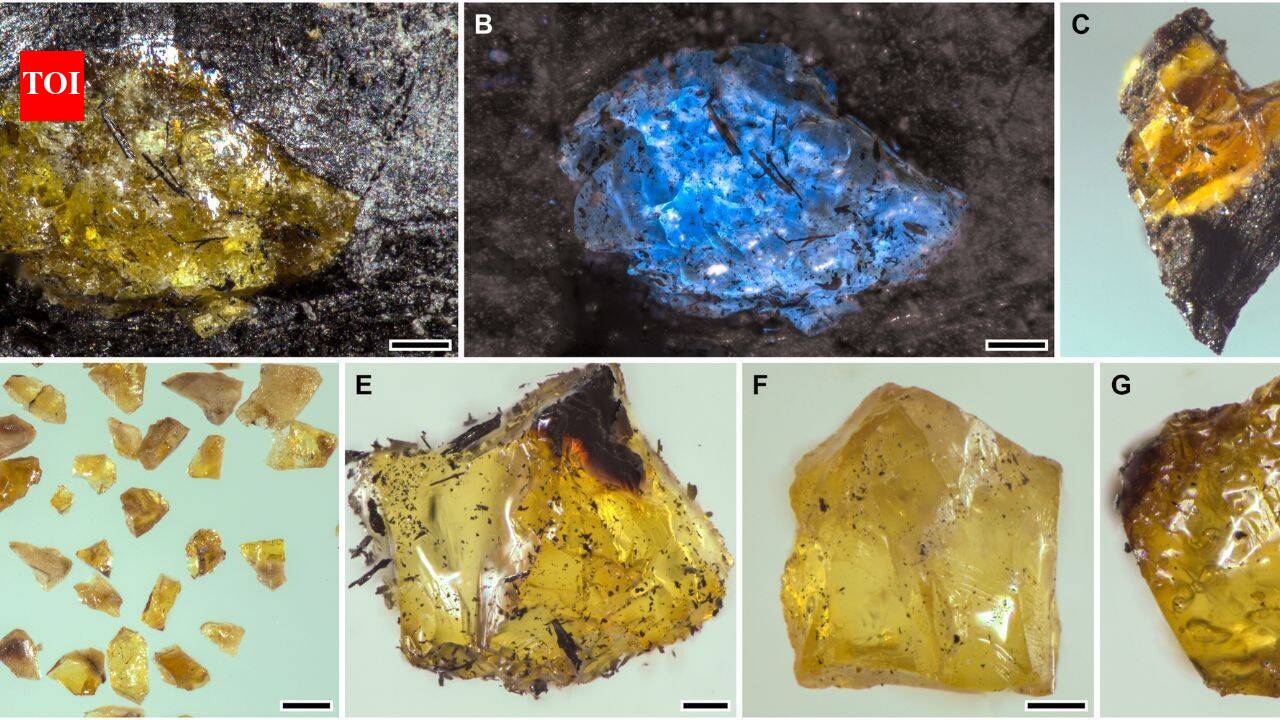
Scientists found the world's oldest amber in north-west China, dating back 385 million years. This discovery is 65 million years older than previous records. Researchers got these tiny fragments from the Hujiersite Formation. It showed that early plants used complex resin systems to protect themselves long before we once thought.

Tap to Read More
The first horse on Earth was no bigger than a lamb: Meet Eohippus, the 55 million-year-old tiny ancestor of every modern horse

The first horse on Earth was no bigger than a lamb: Meet Eohippus, the 55 million-year-old tiny ancestor of every modern horse

The Times of India

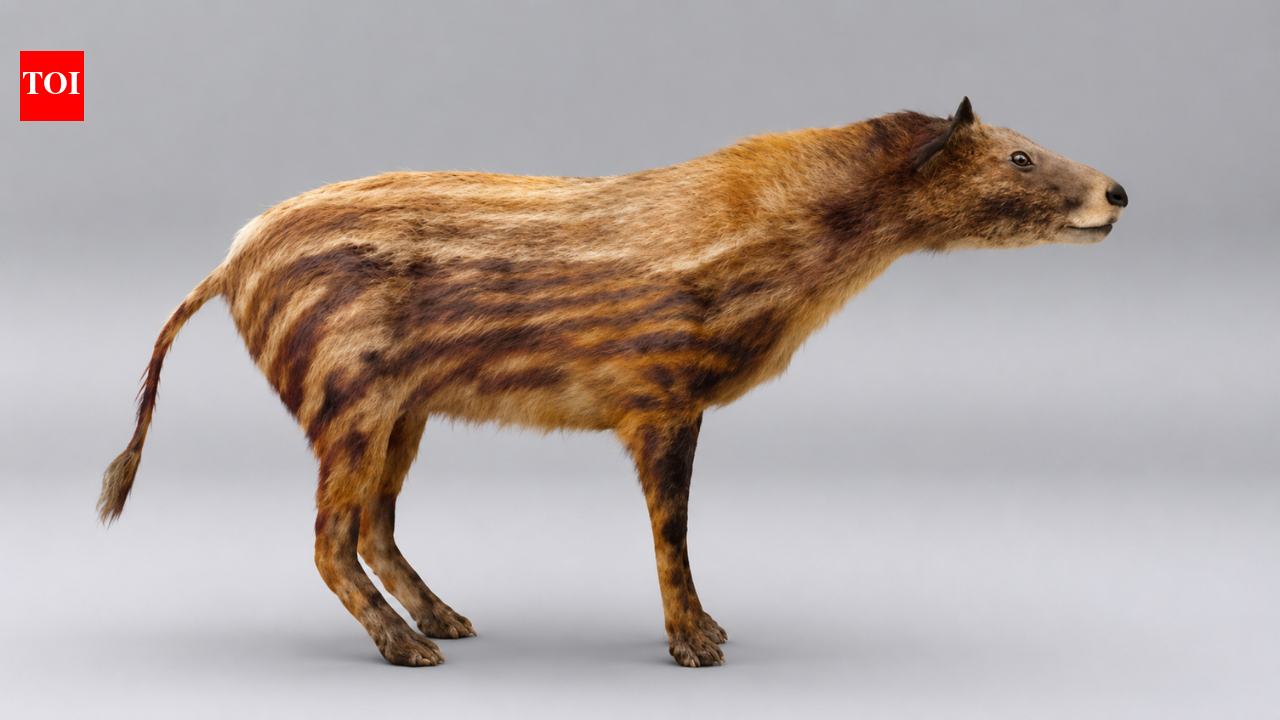
The first horse on Earth, Eohippus, lived 55 million years ago and was no bigger than a lamb. This tiny ancestor had four toes on its front feet and lived in dense forests. Researchers said, "The Eohippus might have been striped, making it camouflaged against the forest light during the Eocene period."

Tap to Read More
Nancy Grace Roman Telescope to carry 1.3 million people into space: Here's how

Nancy Grace Roman Telescope to carry 1.3 million people into space: Here's how

India Today

Nasa is sending 1.3 million names into space aboard the Nancy Grace Roman Space Telescope. The names got stored on an SD card before the campaign closed on July 12. The telescope will launch on August 30, 2026, to study dark energy and planets from a stable orbit near Earth.

Tap to Read More
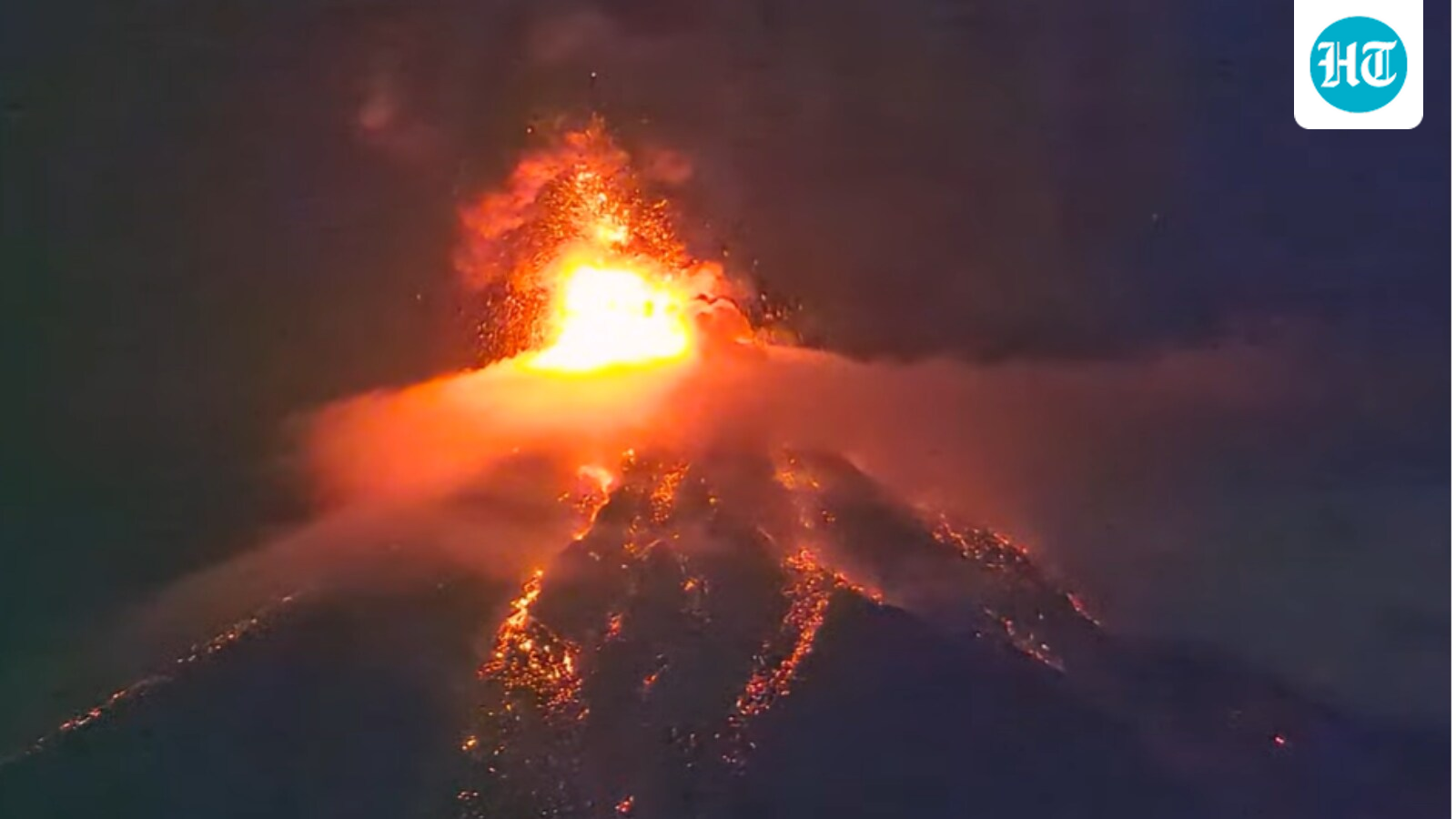
16 hours and counting: Guatemala on nationwide alert after Volcano Fuego erupts

16 hours and counting: Guatemala on nationwide alert after Volcano Fuego erupts

Hindustan Times

Guatemala issued a nationwide orange alert after Volcano Fuego erupted on Monday, August 3. The disaster agency said, "An orange (danger) alert has been declared nationwide due to the eruption of the Fuego volcano." Authorities started evacuating nearby villages and closed schools as the volcano showed an increase in activity.

Tap to Read More
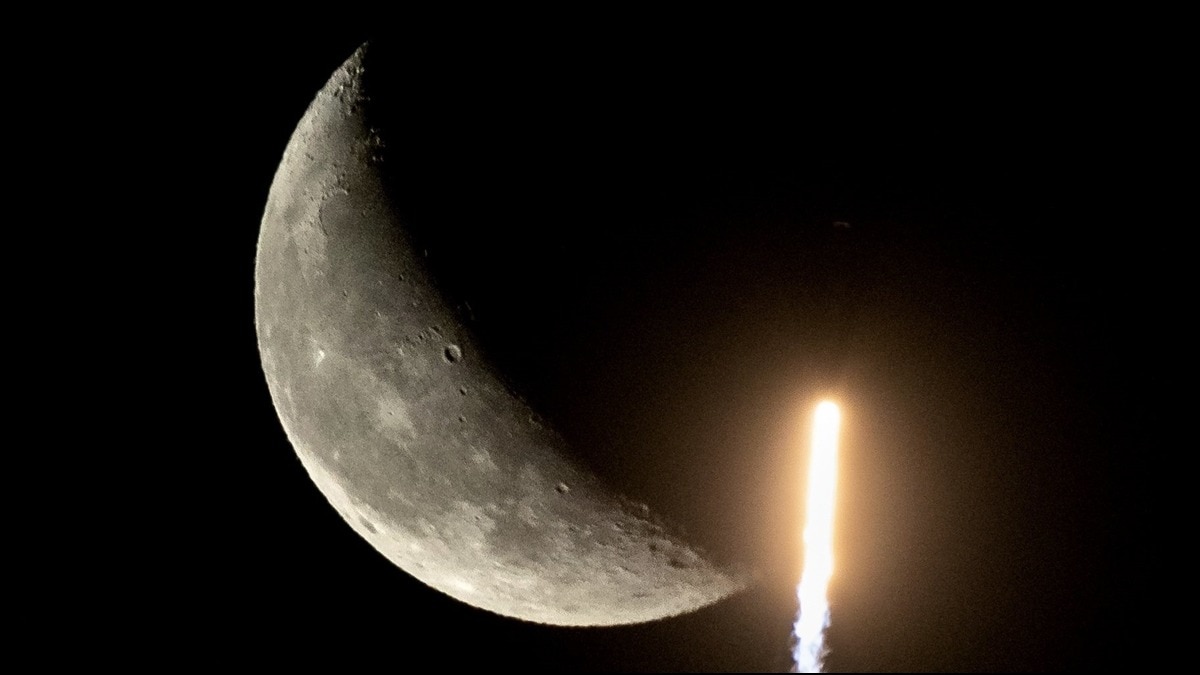
Rocket to crash into Moon at speed of 8,700 kmph: Will it be visible from Earth?

Rocket to crash into Moon at speed of 8,700 kmph: Will it be visible from Earth?

India Today

A piece of SpaceX's Falcon-9 rocket will slam into the Moon at 8,700 kmph on August 5. Astronomers said the impact itself is unlikely to be visible from Earth. However, they hope a dust plume might show up through telescopes. This event helps researchers study how craters form on the Moon.

Tap to Read More